

 EN
EN  English
 中文简体
中文简体 русский
Diaphragm Pump For Pesticides in Daily Agricultural Work
Spraying pesticides requires equipment that can handle chemical liquids while maintaining a steady output. The Diaphragm Pump For Pesticides is designed to meet these needs through a structure that separates liquid flow from mechanical motion. This helps reduce direct wear when working with aggressive solutions.
In practical use, the pump supports consistent spraying across different crops and environments. Its ability to maintain stable discharge pressure allows operators to manage the application more evenly, which is important when working across large or varied areas.
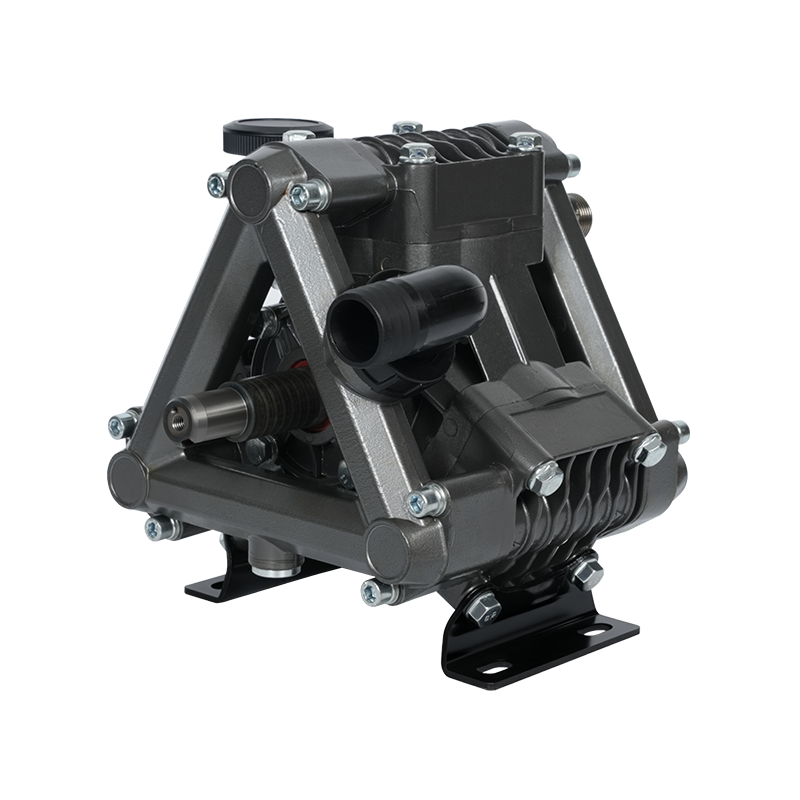
Key Operational Challenges and How They Are Addressed
Dealing with Chemical Corrosion
Pesticides often contain compounds that affect internal components over time. Standard pumps may show wear in seals or internal chambers. The Diaphragm Pump For Pesticides uses materials that resist corrosion, helping maintain function during repeated use with chemical liquids.
Maintaining Steady Output During Long Runs
Field operations may continue for extended periods. Pressure fluctuation during this time can interrupt spraying patterns. A stable discharge system helps keep flow consistent, supporting uniform application across the working area.
Flexibility in Power Integration
Agricultural setups vary widely. Some rely on electric motors, while others use diesel engines or tractors. A pump that supports multiple power options can adapt more easily to different working environments without complex adjustments.
Role of a Diaphragm Pump For Pesticides Factory
A professional Diaphragm Pump For Pesticides Factory focuses on aligning product design with real field requirements. This includes selecting materials that handle chemical exposure and designing structures that support stable flow.
A Diaphragm Pump For Pesticides Factory also develops pumps that integrate with different spraying systems. This flexibility allows the equipment to function across various setups without requiring major structural changes.
Maintenance Practices for Stable Operation
Cleaning After Each Use
Pesticide residues can remain inside the pump after operation. Cleaning the system helps maintain internal pathways and supports smooth liquid movement in future use.
Checking Diaphragm Condition
The diaphragm is a key component in this type of pump. Regular inspection helps detect wear early, allowing timely replacement and avoiding performance issues.
Inspecting Seals and Connections
Pressure stability depends on proper sealing. Routine checks of joints and seals help maintain consistent operation and reduce the chance of leakage.
Expanding Use Beyond Agriculture
The Diaphragm Pump for Pesticides is not limited to crop spraying. Its ability to handle chemical liquids makes it suitable for disinfection tasks, liquid transfer, and certain industrial processes where controlled fluid movement is required.
This multi-functional capability allows one piece of equipment to support different operational needs within the same working environment.
Selecting a Suitable Pump Configuration
Choosing the right configuration depends on several factors, including the type of pesticide used, the scale of operation, and the available power source. Instead of focusing on a single specification, it is more practical to evaluate how the pump performs across different conditions.
A Diaphragm Pump For Pesticides Factory can provide various configurations, allowing adjustment of flow rate, pressure range, and structural design based on operational requirements.
The Diaphragm Pump For Pesticides supports consistent liquid handling in agricultural environments where reliability and adaptability are important. Its diaphragm-based structure, stable pressure output, and compatibility with multiple power sources make it suitable for a wide range of applications.
 Previous