

 EN
EN  English
 中文简体
中文简体 русский
Airless diaphragm pumps are being discussed more often in industrial circles. The attention is not sudden. It comes from gradual changes in how factories manage equipment, space, and daily operation.
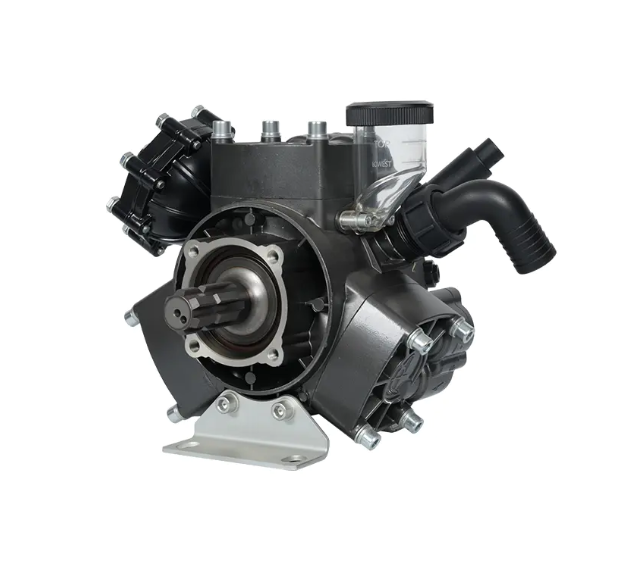
In many production environments, there is a clear move toward simpler systems. Companies want equipment that is easier to install, easier to run, and easier to maintain. Diaphragm pumps fit into this direction. They do not depend on compressed air systems, and that changes how they are used.
For buyers, this is not only a product choice. It is also a shift in thinking about system design.
Why are airless diaphragm pump appearing more frequently in industry discussions?
In the past, many pumping systems were built around existing infrastructure. Compressed air systems were already in place, so equipment that depended on them was widely used.
Now the situation is slightly different. Some factories are being redesigned. Others are trying to reduce system complexity. In both cases, equipment that can operate independently becomes more attractive.
Pumps are often mentioned because they reduce the need for extra system support. This can simplify planning and daily operation.
Another reason is operational clarity. When fewer external systems are involved, it becomes easier to understand how the pump behaves in different conditions.
This does not mean traditional systems are disappearing. It means buyers are exploring more options.
How do airless diaphragm pumps fit into modern production environments?
Factories these days focus on more than just how much they can produce. Operators also care about workflow speed, adjustable setups and precise process control.
Pumps slot into nearly all workshop layouts, and you won't have to overhaul your current machinery to install them. This adaptability works great for plants that regularly rearrange their production lines.
Many production supervisors favour gear they can shift around without lengthy, complicated installation steps. Standalone pump units like this cut down daily maintenance and reconfiguration work.
Floor space is another key factor. Many workshops don't have extra room to spare. Since these pumps run without extra supporting external equipment, they ease crowding on the production floor.
For anyone mapping out factory workflows, this simple setup leaves more freedom to tweak layouts later on.
Where are airless diaphragm pumps commonly used today?
The use of these pumps is not limited to one industry. They appear in many places where fluid transfer is part of daily work.
Typical applications can be seen below:
| Industry Area | Typical Scenario |
|---|---|
| Chemical handling | Moving different liquid materials within controlled environments |
| Coating processes | Transferring coatings during production |
| Food-related operations | Handling liquid ingredients in processing steps |
| Water systems | Supporting liquid movement within treatment processes |
| General manufacturing | Assisting with routine fluid transfer tasks |
The reason for this wide use is not complexity. It is adaptability. The pump design allows it to work with different types of fluids without requiring constant adjustments.
For buyers, this means one type of pump can often serve multiple purposes.
What makes airless diaphragm pumps different in daily operation?
You can tell the difference the most when running the equipment day in and day out.
Old pump systems powered by compressed air rely on lots of connected parts working together. Adjust one component, and the whole system's performance can shift.
Diaphragm pumps run on a much simpler setup. No outside air supply is needed, so the whole unit works independently.
With fewer moving variables to track, staff can easily keep an eye on how the pump performs.
This does not mean the gear runs trouble-free forever. All machines need regular care. Still, their streamlined structure makes standard inspections quick and simple.
Stable output is another big plus. Less variables inside the system mean the pump delivers steady, predictable results when working under fixed conditions.
Why are buyers paying more attention to system simplicity?
System simplicity has become a repeated theme in industrial planning.
In many factories, there is an effort to reduce unnecessary connections, controls, and dependencies. Each additional component can increase the chance of misalignment or delay.
A simpler system is often easier to understand. It can also be easier to train new operators.
Diaphragm pumps are part of this discussion because they remove one layer of system dependency. This does not solve every problem, but it reduces one level of complexity.
Buyers who manage multiple production lines often prefer solutions that are easier to standardize across different areas.
Standardization helps reduce confusion and improves coordination between teams.
What are buyers really looking for when selecting airless diaphragm pumps?
When buyers evaluate equipment, they often look beyond basic descriptions.
Several practical questions come into play:
- Will this pump fit into the current system without major changes?
- Can operators understand how to use it without long training?
- Is it easy to maintain during daily operation?
- Can the supplier respond clearly when questions arise?
These questions are not always written in specifications, but they influence decisions.
Another factor is stability over time. Buyers want equipment that can operate under regular conditions without frequent adjustment.
They also pay attention to how manufacturers communicate. Clear answers often build confidence during the selection process.
How are manufacturers adapting to these changing expectations?
Manufacturers are gradually adjusting their approach.
In the past, product supply was often the main focus. Now, communication and cooperation are becoming part of the offering.
Some suppliers are improving how they present product information. Instead of using overly complex descriptions, they aim to explain how the pump fits into real applications.
Others are focusing on flexibility. They understand that not all buyers have the same requirements.
Production planning is also being adjusted. Manufacturers try to handle different order types without creating delays.
This change is not uniform across the market, but it is becoming more visible.
What challenges are still being discussed in the airless diaphragm pump market?
These pumps are growing in popularity, yet buyers still have plenty of points to weigh up.
Most purchasers cross-check diaphragm pumps against other pump styles to figure out which matches their working conditions best.
A lot of conversations revolve around long-term running costs and regular upkeep schedules.
People also talk about how different liquid materials impact pump performance. No single pump model works equally well across all working environments.
Support from suppliers is another hot topic. Customers want to make sure they can get clear, timely help once faults pop up.
All these ongoing talks prove the market is still evolving. Buyers keep sharing real usage feedback to learn more as they go.
How is global demand influencing airless diaphragm pump development?
Overseas customer demand changes both how brands design pumps and how suppliers run their businesses.
Clients based in different areas hold different priorities. Some value easy operation above all else, while others need flexible functions or smooth technical communication.
Producers who serve global buyers tweak their production workflows to meet these varied requirements.
This means offering more straightforward communication, complete technical guides, and production schedules that can be adjusted easily.
Step by step, this builds a more well-rounded market where product quality and after-sales service both carry weight.
Airless diaphragm pumps fit right into this industry shift. Manufacturers are moving toward equipment built for real practical work, instead of machinery that relies on complicated auxiliary systems.
More and more sectors are leaning toward this practical, easy-to-operate type of pump.
 Previous