

 EN
 English
 中文简体
 русский
Oil transfer is just part of daily life in a lot of industrial settings — shifting lubricants between storage tanks, pulling used oil during a maintenance job, whatever the task happens to be. Every one of these jobs comes with its own quirks. Some oils pour almost like water; others are thick, sticky, stubborn, and change character completely depending on the temperature in the room.
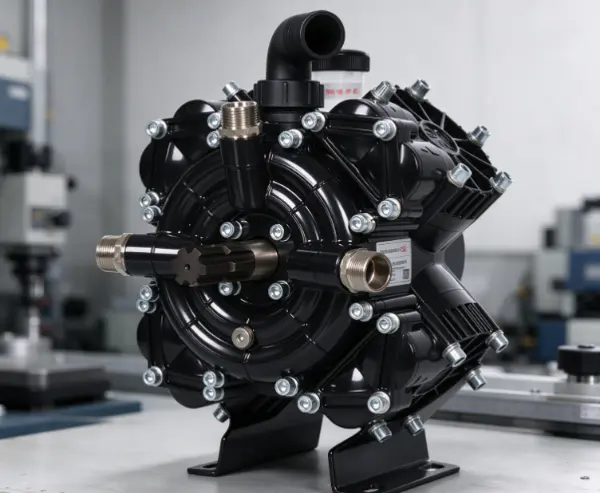
A diaphragm pump is one of the go-to options for moving oil through industrial fluid systems. Instead of relying on a spinning impeller to shove fluid along, it moves liquid through a chamber using a different mechanism entirely. But not every diaphragm pump works for every oil — far from it. Fluid properties, pump materials, operating conditions, the actual application — all of this decides whether a given model is the right call.
So can one diaphragm pump handle multiple types of oil? Often, yes. The real trick is understanding what the oil's actually like and lining that up against the pump's design and material compatibility — not assuming one pump just works for "oil" as some generic category.
1. What Makes Different Types of Oil Difficult to Transfer?
Oils can look nearly identical sitting in a container and still behave completely differently once they're moving through a system. That gap between appearance and behavior is exactly what trips people up during pump selection.
Light oils tend to move with less resistance. Heavier oils demand more effort just getting drawn into the pump chamber, let alone pushed out through the discharge line. Temperature throws another variable into the mix — a fluid that flows easily in a warm shop can turn noticeably thicker the moment it's cold outside.
Composition matters just as much. Mineral oils, synthetic lubricants, vegetable oils, hydraulic oils, used oils — each carries different compatibility baggage. Additives shift chemical behavior in ways that aren't always obvious. And used oil specifically can carry dirt, wear particles, moisture, residue picked up over however long it's been in service.
A few practical things worth weighing because of all this:
- Viscosity — thickness shapes how easily oil enters and moves through the pump.
- Chemical compatibility — the oil has to get along with the diaphragm, seals, valve components, every wetted part.
- Contamination — particles and residue can jam valves or wear components down faster than expected.
- Temperature — shifts both the oil's flow behavior and the pump material's own properties.
- Transfer conditions — suction setup, pipework, discharge resistance, required flow pattern all factor into whether the equipment's actually up to the job.
None of this is abstract — it's exactly why a pump humming along nicely with one oil can suddenly struggle the moment a different fluid gets introduced.
2. Can a Diaphragm Pump Transfer Different Types of Oil?
Yes, a diaphragm pump can move a range of oils — provided its construction and operating setup genuinely suit the fluids involved. The underlying pumping principle stretches across a lot of applications, but the fine details of any specific pump are what actually set its real-world range.
Here's roughly how it works: a flexible diaphragm flexes back and forth, changing the volume inside a pumping chamber. That motion pulls liquid in, then pushes it toward the outlet. Valves control which way the flow goes, keeping liquid moving forward instead of sloshing back out the inlet.
This setup suits oil transfer nicely in a lot of cases because the liquid never has to pass through a conventional spinning impeller. Some diaphragm pumps go a step further, separating the pumped fluid from the driving mechanism entirely — limiting direct contact between the oil and certain internal parts.
That said, "diaphragm pump" isn't one single thing. Air-operated models and mechanically driven ones don't share identical operating characteristics by any means. What they can actually handle comes down to design, suction capability, flow requirements, material choice — case by case.
A pump dialed in for a thin lubricant, for instance, might completely fall short with a thick industrial oil under the exact same setup. And a model that's fine with clean oil may need real reconsideration before it's trusted with anything carrying solid contaminants.
The distinction worth holding onto: general diaphragm pump capability is one thing, suitability for a specific fluid is another entirely. The range of possible applications is broad, sure — but compatibility should never get assumed just because something's labeled "diaphragm pump."
3. Which Types of Oil Can a Diaphragm Pump Handle?
Different oils bring different transfer challenges to the table. Walking through common application types helps clarify where a diaphragm pump genuinely fits.
Mineral Oil
Mineral oil turns up across a huge range of industrial and maintenance jobs. How it flows depends heavily on formulation and temperature. Some grades move easily enough; heavier ones put real strain on the suction side of a pumping setup.
A diaphragm pump can suit mineral oil well when its materials get along with the fluid and the design handles the oil's viscosity properly. Worth factoring in the intended flow rate and pipe layout too, not just the oil itself.
Lubricating Oil
Lubricating oil cuts friction between moving machine parts, and it comes up constantly during servicing, storage, general industrial maintenance work.
Viscosity swings a lot depending on what the lubricant's actually for. A light one moves through a pump without much fuss; a thick one might need a different operating setup altogether. Additives can shift material compatibility too, so checking the full formulation — not just the base oil — pays off when picking a pump.
Hydraulic Oil
Hydraulic oil transfers power and lubricates components inside hydraulic equipment. During maintenance, it often needs moving between containers, service gear, or storage systems.
A diaphragm pump works fine for suitable hydraulic oil transfer jobs, especially where the pump isn't being asked to perform as part of some precision hydraulic power circuit. It still needs to be compatible with the fluid and capable of meeting whatever the transfer system actually demands.
Cleanliness deserves real attention here. Contamination picked up mid-transfer can degrade the oil and whatever equipment it ends up in later. Proper handling procedures and clean transfer lines go a long way toward keeping that risk in check.
Used Oil
Used oil brings a different kind of headache entirely. It might carry suspended particles, sludge, water, machinery residue — composition varies a lot depending on where it came from and how long it's been circulating.
Plenty of diaphragm pumps get used in waste oil handling and recovery work. How well they fit depends on contaminant size and nature, valve design, and what materials are exposed to the fluid.
Large or abrasive particles can wear components down or jam internal valves outright. Sometimes accumulated sludge just chokes the flow path instead. Screening, settling, some kind of fluid prep might be needed, depending on the oil's actual condition and whatever the pump manufacturer recommends.
Synthetic and Vegetable Oils
Synthetic and vegetable oils can work with diaphragm pumps too, but their chemical makeup often diverges a lot from conventional mineral oils.
A diaphragm material perfectly happy with one fluid might swell, soften, or just break down with another. Same risk applies to seals and anything else touching the oil. Compatibility really needs confirming against the actual fluid in question — not assumed from whatever broad category it falls under.
| Oil type | Common transfer consideration | Key selection concern |
|---|---|---|
| Mineral oil | Flow behavior varies with grade and temperature | Viscosity and material compatibility |
| Lubricating oil | Formulation and thickness differ by application | Additives and operating conditions |
| Hydraulic oil | Fluid cleanliness may be important | Compatibility and contamination control |
| Used oil | Particles, sludge, or water may be present | Valve design and contaminant tolerance |
| Synthetic oil | Chemical composition varies by formulation | Diaphragm and seal compatibility |
| Vegetable oil | Flow behavior and material interaction may differ | Temperature and wetted materials |
Treat this as a starting point, not an approval checklist. The exact formulation and the specific pump model are what actually settle the question.
4. How Does Oil Viscosity Affect Pump Performance?
Viscosity is just a fancy word for how much a fluid resists flowing — and it's one of the biggest factors in picking a diaphragm pump for oil work.
Thin oil slides into the pumping chamber without much resistance. Thick oil crawls through narrow passages and can be genuinely hard to pull through the inlet line. That slows down how much liquid moves per cycle and piles extra demand onto the pump overall.
Suction setup deserves real scrutiny here. A long inlet hose, cramped pipe openings, unnecessary bends, restrictive fittings — any of this makes life harder for thick oil trying to reach the chamber. Get the inlet arrangement wrong, and the pump just struggles to hold a steady flow, full stop.
Temperature complicates things further. Most oils thin out as they warm and thicken up as they cool. So the exact same pump running the exact same oil can behave totally differently depending on where it's sitting that day.
Heating isn't some automatic fix, though — worth being careful here. The oil's own handling limits, temperature thresholds, and the pump material's restrictions all still apply. Some fluids carry safety or environmental concerns too that limit how they can be warmed up in the first place.
When sizing up viscosity, look at the oil's real condition during actual transfer — not just how it looks sitting at room temperature on a shelf. Product data and guidance straight from the pump manufacturer help confirm whether the planned setup genuinely holds up.
5. Why Do Diaphragm and Seal Materials Matter?
A pump's ability to move oil comes down to more than just its pumping mechanism. Everything touching the fluid has to survive prolonged exposure without losing what makes it work in the first place.
The diaphragm matters most here, flexing over and over through every cycle. Pair it with an incompatible oil, and it can swell, harden, soften, crack, or just lose flexibility outright. Any of that hits performance and can lead to leaks or parts failing well before their time.
Seals and valve components need the same scrutiny. A seal might look perfectly fine early on and quietly degrade after extended exposure to something it doesn't actually get along with. Oil formulation, additives, temperature — all of this shifts how fast that deterioration creeps in.
Pump body material matters too. Certain metals suit one oil application fine and fall apart with another, thanks to chemical interaction, corrosion risk, or just the conditions the equipment's running in.
Material selection really needs to cover the whole fluid-contacting assembly, not just one piece of it. Checking only the diaphragm material and ignoring seals, valve seats, or the pump body leaves real gaps in the assessment.
For synthetic blends, specialty lubricants, or used oil of murky composition, handing the manufacturer as much detail about the fluid as possible pays off. A compatibility check built on the actual formulation beats a vague "yes it handles oil" every time.
6. Can One Diaphragm Pump Be Used for Multiple Oils?
Running one pump across different oils works fine when the fluids actually get along with the equipment and the transfer process is handled with some care. But switching from one oil to another brings up questions that just don't come up when a pump sticks to a single fluid its whole life.
Cross-contamination is the big one. A bit of the previous oil almost always lingers in the chamber, valves, hoses, fittings — and if the next oil has different cleanliness or performance demands, that leftover residue can genuinely mess with its intended use.
The changeover procedure should match how sensitive the application actually is. Some jobs call for fully draining and cleaning relevant components. Others are better served by dedicated hoses or entirely separate pumps, keeping incompatible fluids from ever meeting.
The cleaning method itself needs to play nice with the pump materials too. A cleaning agent that strips oil beautifully might eat right through a diaphragm or seal if the materials weren't built for contact with it. Manufacturer instructions should steer the choice of cleaning fluid and process here, not guesswork.
Operating conditions matter too. A pump tuned for thin lubricant might need a totally different inlet setup once a thicker oil enters the picture. Switching fluids doesn't automatically mean the existing pipework or configuration is still appropriate.
Worth running through before loading multiple jobs onto one pump:
- Are all the oils actually compatible with the diaphragm, seals, valves, body material?
- Can the pump handle the viscosity range across expected conditions?
- Can the system actually be drained and cleaned well between jobs?
- Could leftover oil mess with product quality or equipment downstream?
- Does the new fluid carry contaminants that could hurt the valves or other parts?
Some facilities do better running separate pumps per oil group entirely. Others get real value from one shared pump handling several duties — as long as the fluids, cleaning process, and transfer requirements are all kept under tight control.
7. What Should Users Check Before Selecting a Diaphragm Pump for Oil?
Picking a diaphragm pump starts with actually describing the application clearly. A vague label like "lubricating oil" or "waste oil" rarely tells you enough to know whether a particular model will hold up.
Pin down the oil's composition, viscosity, temperature, contamination level. Think through where the fluid's coming from, where it's headed, and how the transfer system's actually laid out.
Then weigh the pump's construction against all of that. Material compatibility, valve design, suction capability, required flow behavior — all of it shapes whether the fit's real. Choosing between air-operated and mechanically driven designs often comes down to available utilities, the installation environment, and operating preference too.
It's worth reviewing the whole transfer process rather than fixating on the pump in isolation. Inlet piping, discharge hoses, filters, valves, storage containers, cleaning setup — all of this shapes how the system actually behaves day to day.
A pump might suit the oil itself just fine and still perform poorly stuck behind a restrictive inlet line. Likewise, a model handling clean lubricant without a hitch might need a completely different configuration once contaminated oil enters the picture.
Talking directly with the manufacturer or equipment supplier helps sort through these questions fast. Sharing the oil's product data, intended operating conditions, and any detail on solids or contaminants makes the whole assessment a lot sharper and more specific.
A diaphragm pump can genuinely support a wide range of oil transfer jobs — but suitability always comes down to the relationship between the fluid, the equipment, and the system around both. Treating all of this as one connected decision, rather than three separate afterthoughts, is really what helps avoid unnecessary wear, cuts contamination risk, and lands on a transfer setup that actually fits the job at hand.
 Previous
