

 EN
EN  English
 中文简体
中文简体 русский
The question often appears in workshops, job sites, and production floors. A paint sprayer is expected to adapt. Surfaces vary. Coatings change. Work conditions shift from indoor spaces to open environments. This creates a steady demand for flexible spraying equipment that can respond without constant adjustment.
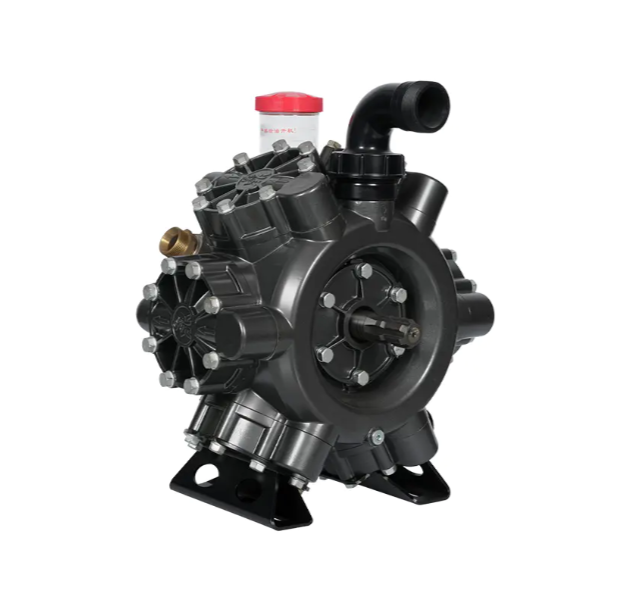
A diaphragm pump paint sprayer is often discussed in this context. Its structure and working style suggest a certain level of adaptability. Yet, the real question is not only whether it can handle different coatings, but how it behaves when those coatings change in texture, thickness, and flow.
Understanding this begins with how people use coatings today. Materials are no longer limited to simple paint layers. Protective finishes, textured coatings, and decorative materials all enter the same workflow. The sprayer must move between them with minimal disruption.
What makes coating diversity a challenge in spraying work?
Coatings differ in ways that are not always visible at first glance. Some flow easily. Others resist movement. Some settle quickly, while others remain stable over time. These differences affect how a sprayer performs during use.
In practical settings, workers often switch between:
- Smooth wall coatings for interior surfaces
- Protective layers for metal or outdoor structures
- Thick finishes designed to add texture
- Sealants used to close small gaps or cracks
Each type behaves differently when pushed through a system. A sprayer that works well with one may struggle with another. This creates a need for equipment that can adapt without slowing down the process.
Another factor is environment. Temperature, humidity, and airflow can change how coatings respond during spraying. A material that flows well in one setting may become harder to manage in another.
How does a diaphragm pump paint sprayer work in simple terms?
This spray pump runs on repeated movement and built-up pressure. Inside it sits a flexible diaphragm that moves forward and backward continuously. This back-and-forth motion sucks paint into the pump, then forces the liquid down the hose toward the spray gun.
Liquid flows evenly instead of surging wildly. The paint moves in gentle pulses controlled by the diaphragm's movement, delivering steady spray output the whole time you work.
This setup doesn't use spinning rotating parts like other spray equipment. The diaphragm's regular back-and-forth creates a steady cycle, which changes how different paints atomize when sprayed.
Since the pumping action stays consistent, the unit works well with paints prone to sinking or splitting apart. This is really useful for thick coatings or paints mixed with solid particles.
Can thin coatings move smoothly through the system?
Thin coatings are often easier to handle. They flow with less resistance. This allows them to move quickly through spraying systems.
In a diaphragm pump sprayer, thin coatings tend to maintain a steady flow. The controlled movement supports even distribution. This helps reduce uneven surfaces or patchy coverage.
However, speed must still be managed. If the coating moves too quickly, it can create overspray or uneven edges. A balanced approach is needed. The sprayer must match the flow to the surface being treated.
Thin coatings are commonly used for:
| Coating Type | Typical Use |
|---|---|
| Interior wall finishes | Smooth surface coverage |
| Light protective layers | Basic surface sealing |
| Decorative coatings | Visual enhancement |
The system handles these materials with minimal resistance. This makes them a common starting point for many users.
What happens when thicker coatings are used?
Thicker coatings introduce a different set of conditions. They resist movement. They require more pressure to pass through the system. They may also contain particles that affect flow.
A diaphragm pump sprayer can handle these coatings, but the process becomes more sensitive. The internal motion must remain steady. Any disruption can affect how the coating spreads across the surface.
Thicker materials are often used for:
- Textured wall finishes
- Protective outer layers
- Coatings designed for durability
These coatings require careful handling. The sprayer must maintain enough pressure to move the material without causing uneven release.
One noticeable difference is the pace of work. Thicker coatings often require slower movement. This allows the material to settle properly on the surface.
Does coating consistency affect spray performance?
Paint consistency is one of the biggest factors for good spraying results. Even tiny shifts in how thick the coating is will alter how it sprays out.
Diaphragm spray pumps use steady cycling to push paint, so they can keep a fairly even flow if the paint's thickness only changes a little bit.
But if the coating gets drastically thicker or thinner, you'll need to tweak your setup. Common adjustments include:
- Turning the flow regulator up or down
- Moving the spray gun closer or farther from the surface
- Slowing down or speeding up your sweeping strokes
The coating's thickness also changes how it lays down once sprayed. A uniform stream leaves a smooth, flawless coat. Unstable flow will leave streaks and patchy layers on your workpiece.
How does the sprayer respond to coatings with particles?
Some coatings contain small particles. These may be added for texture, durability, or visual effect. These particles can affect how the coating moves through the system.
A diaphragm pump sprayer is often able to handle such materials due to its steady motion. The internal movement reduces the chance of sudden blockages. This allows the coating to pass through with fewer interruptions.
Still, particle size and distribution matter. If particles are uneven or too large, they may affect flow. This can find to inconsistent spraying or changes in pressure.
Coatings with particles are commonly used for:
| Application Area | Purpose |
|---|---|
| Exterior walls | Added durability |
| Decorative surfaces | Textured appearance |
| Industrial coatings | Surface protection |
The ability to handle these materials adds to the flexibility of the sprayer. It allows users to move between different types of work without switching equipment.
Is switching between coatings a smooth process?
Switching between coatings is part of daily work in many environments. A sprayer that requires long preparation time between changes can slow down operations.
A diaphragm pump sprayer supports smoother transitions. Its structure allows for controlled clearing of the system. This helps reduce leftover material when changing coatings.
The process still requires attention. Residual coating from a previous use can affect the next application. Cleaning steps must be handled carefully.
In practice, switching involves:
- Removing remaining coating from the system
- Ensuring internal parts are clear
- Introducing the new coating gradually
When done correctly, the transition becomes part of the normal workflow rather than a delay.
How does surface type influence coating handling?
Different surfaces interact with coatings in different ways. A smooth wall responds differently than a rough outdoor structure. The sprayer must adapt to these conditions.
Surface type affects:
- How the coating spreads
- How quickly it settles
- The final appearance of the layer
A diaphragm pump sprayer provides steady output, which helps maintain control across surfaces. The user can adjust movement and distance to match the surface condition.
For example:
- Smooth surfaces may require lighter passes
- Rough surfaces may need slower, more focused application
The sprayer's consistency helps maintain control even when surfaces change within the same project.
Can one sprayer support varied working environments?
Work environments vary widely. Indoor spaces often require controlled spraying with minimal overspray. Outdoor areas may involve wind or uneven surfaces.
A diaphragm pump sprayer adapts to these environments through its stable flow. The steady movement reduces sudden changes in pressure, which can be useful in unpredictable conditions.
In indoor settings, this helps maintain clean edges and controlled application. In outdoor settings, it supports steady coverage even when conditions shift.
Flexibility in environment adds to the overall usefulness of the sprayer. It allows the same equipment to be used across different types of projects.
What role does operator technique play in coating versatility?
Equipment alone does not determine results. The way a sprayer is used has a strong influence on how coatings behave.
Operator technique affects:
- Spray distance
- Movement speed
- Angle of application
Even with a flexible system, poor technique can find to uneven results. On the other hand, careful handling can improve performance across different coatings.
Users often adjust their approach based on the material:
- Slower movement for thicker coatings
- Faster passes for lighter materials
- Controlled angles for detailed areas
The combination of equipment and technique defines the final outcome.
Does maintenance impact the ability to handle different coatings?
Maintenance plays a quiet but important role. A well-maintained sprayer responds more consistently. It handles changes in coating without unexpected behavior.
Residue buildup can affect flow. It may create resistance or block movement. This becomes more noticeable when switching between different types of coatings.
Regular care includes:
- Cleaning after each use
- Checking internal components
- Ensuring smooth movement within the system
A clean system supports smooth transitions between coatings. It also helps maintain consistent spraying performance over time.
How does workflow change when multiple coatings are involved?
Projects that involve multiple coatings require planning. Each material has its own behavior. The sprayer must adapt without slowing the overall process.
Workflow adjustments may include:
| Step | Purpose |
|---|---|
| Preparation | Ensuring materials are ready |
| Transition | Moving between coatings smoothly |
| Application | Adjusting technique for each coating |
| Cleaning | Preventing mixing of materials |
A diaphragm pump sprayer fits into this workflow by supporting steady operation. Its design allows users to focus on the task rather than constant equipment changes.
The result is a process that feels continuous rather than interrupted.
Can consistent output improve coating results across types?
Consistency is a key factor in spraying. It affects how coatings spread and settle. A stable output helps create even layers across different materials.
A diaphragm pump sprayer provides this stability through its controlled motion. The steady flow reduces sudden changes that can affect the surface.
This becomes important when working with varied coatings. Each material responds differently, but a consistent output helps maintain a predictable result.
Over time, this predictability supports smoother work. It allows users to adjust technique without worrying about sudden changes in equipment behavior.
 Previous