

 EN
 English
 中文简体
 русский
Moving liquids from one place to another may seem like a simple task. In industrial settings, however, fluid transfer can involve many challenges. Some liquids are thick and difficult to move. Others contain solid particles, react with certain materials, or require careful handling to prevent leaks and contamination. A pump that works well in one situation may struggle in another.
These challenges have encouraged industrial operators to look beyond the pump itself. The experience of a diaphragm pump manufacturer can also play a role in identifying suitable equipment, understanding operating conditions, and addressing practical problems in fluid handling systems.
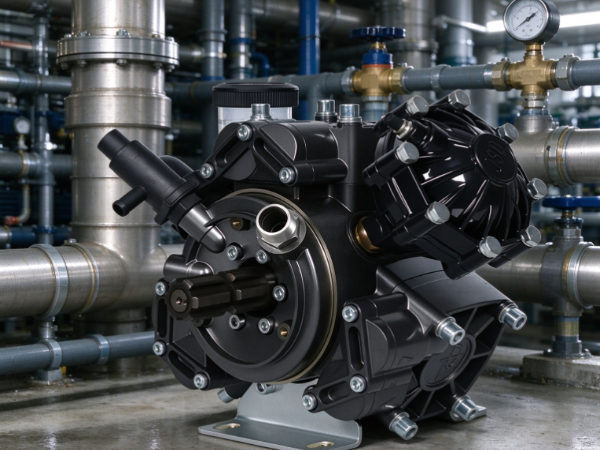
A diaphragm pump uses a flexible membrane to move fluid through a pumping chamber. This working principle supports a range of applications across chemical processing, wastewater treatment, food production, and other industrial fields. Yet choosing an appropriate model involves more than recognizing the pump type. Fluid properties, installation conditions, maintenance needs, and operating practices all deserve attention.
Could working with a diaphragm pump manufacturer help solve difficult fluid transfer problems? The answer depends on the nature of the challenge and how well the equipment matches the application.
What Makes Industrial Fluid Transfer Difficult?
Industrial fluids vary considerably in their behavior. Water is relatively easy to handle in many common applications, but other substances can create additional demands. Their consistency, chemical properties, temperature, and tendency to form deposits may affect how a pumping system performs.
Viscous liquids are one common example. Thick coatings, oils, pastes, and similar substances may not flow as freely as water. If a pump is unsuitable for the material, the transfer process can become slow or inconsistent. Operators may also encounter difficulties during startup or when moving fluid through long or complicated pipework.
Liquids containing suspended particles present a different challenge. Certain industrial processes produce wastewater, slurries, or mixtures that carry small solids. These materials can contribute to wear, blockages, or irregular flow when the pumping equipment isn't designed for the application.
Chemical compatibility is another important concern. A liquid may gradually damage a diaphragm, valve, seal, or pump housing if the selected materials cannot withstand exposure. The problem may not appear immediately. Repeated contact can eventually lead to leakage, maintenance interruptions, or changes in pump performance.
Some facilities also face practical restrictions. Limited installation space, frequent changes in production, difficult access for maintenance, and the need to transfer fluid between different process stages can complicate equipment selection.
These issues rarely have a single cause. A transfer problem may result from the pump, the pipework, the fluid itself, or the way the entire system operates. Understanding the actual conditions is an important part of finding a workable solution.
How Can a Diaphragm Pump Help With Challenging Fluids?
A diaphragm pump moves liquid through the repeated movement of a flexible membrane. As the membrane changes the volume of the pumping chamber, fluid enters and leaves through the pump's inlet and outlet valves.
This design offers several useful characteristics for industrial fluid handling. The diaphragm separates the pumped liquid from certain moving components, depending on the pump's construction. This arrangement can help reduce direct contact between the fluid and the drive mechanism.
The design may also support applications where controlled transfer and containment matter. For example, chemical processing facilities may need to move liquids that require compatible wetted materials and careful management of leakage risks. A suitable diaphragm pump can form part of that arrangement.
Different diaphragm pump designs serve different purposes. Some use compressed air as their power source, while others use an electric drive. Their operating characteristics, control options, and suitability for particular fluids can differ.
It's important not to assume that every diaphragm pump can handle every difficult liquid. Viscous substances, abrasive particles, aggressive chemicals, and sensitive products each create their own requirements. The pump must be selected according to the actual fluid and operating conditions.
A diaphragm pump manufacturer can help explain these differences. By discussing the application in detail, the manufacturer may help an operator narrow down suitable designs and identify potential limitations before equipment is installed.
Why Does a Diaphragm Pump Manufacturer Need to Understand the Application?
A product description cannot explain every detail of an industrial process. Two facilities may transfer similar liquids but face very different operating conditions. One may need occasional transfer between storage containers, while another may require continuous movement within a production line.
This is where communication with a diaphragm pump manufacturer becomes useful.
A clear discussion should cover the nature of the liquid, its consistency, the presence of suspended solids, and its compatibility with potential pump materials. The manufacturer also needs to understand how the equipment will be installed and how the transfer process fits into the wider operation.
Several questions can help guide the discussion:
- What liquid needs to be transferred, and how does it behave during operation?
- Does the fluid contain particles that could affect internal components?
- Will the pump handle the liquid continuously or only at certain stages?
- Are leakage prevention, product cleanliness, or material compatibility important concerns?
- What installation restrictions could affect equipment selection?
- How will the pump be inspected, cleaned, and maintained?
These questions help establish a clearer picture of the application. They can also reveal issues that might otherwise be overlooked during purchasing.
An experienced manufacturer may identify a mismatch between the requested equipment and the actual working conditions. It may also explain when a diaphragm pump is suitable and when another pumping arrangement deserves consideration.
The purpose of this process is not simply to recommend a product. It is to help ensure that the equipment choice reflects the practical needs of the operation.
Can Material Selection Reduce Fluid Transfer Problems?
Material selection is closely connected to pump reliability. Components that come into contact with the liquid must be appropriate for the substance being handled. The diaphragm, valve components, seals, and internal surfaces may all require consideration.
Chemical compatibility is particularly important when transferring cleaning agents, industrial chemicals, or other reactive liquids. A material that performs well with one substance may deteriorate when exposed to another. Even liquids that appear similar can behave differently when their composition changes.
The diaphragm deserves special attention because it moves repeatedly during operation. Its material must suit the fluid and the demands placed on the pump. An unsuitable choice may contribute to premature wear, loss of sealing, or interruptions in service.
The pump housing and valve components also affect the overall arrangement. Their suitability depends on the liquid, the surrounding environment, and the operating conditions. Selecting compatible materials helps reduce the risk of avoidable damage, although it cannot eliminate every possible failure.
A diaphragm pump manufacturer can review the application and explain the available material options. The discussion should include any known changes in the liquid's composition, as well as cleaning procedures that could expose the equipment to additional substances.
Operators should provide accurate information about the fluid whenever possible. If the material changes during production, or if several liquids pass through the same equipment, those details should be communicated before a selection is made.
Careful material selection can help prevent recurring problems and support more consistent operation.
How Can Manufacturers Address Leakage, Wear, and Maintenance Concerns?
Leakage and component wear can disrupt production. They may also create housekeeping concerns or expose workers and surrounding equipment to unwanted contact with the fluid. In applications involving hazardous substances, proper containment becomes especially important.
Diaphragm pumps can help manage certain leakage risks through their design, but the level of protection depends on the specific construction, materials, installation, and maintenance practices. A diaphragm pump should not automatically be considered leakproof or suitable for every hazardous application.
A manufacturer can help identify the parts that need particular attention. The diaphragm, valves, seals, and connections may require inspection according to the equipment design and the conditions in which it operates.
Maintenance planning also benefits from a practical understanding of the process. A pump used with abrasive or chemically aggressive liquids may require different inspection considerations from one used for a relatively clean, compatible fluid. Cleaning methods and storage conditions may influence component life as well.
Operators can work with the manufacturer to establish appropriate inspection procedures, identify signs of deterioration, and understand when components may need replacement. Clear maintenance instructions can also help staff recognize developing issues before they cause an unexpected shutdown.
The surrounding system should not be ignored. Incorrect pipe connections, unsuitable inlet conditions, contamination, or changes in the production process may contribute to recurring problems even when the pump itself is in suitable condition.
Addressing maintenance concerns therefore requires more than replacing worn parts. It involves understanding why the wear occurred and whether changes to material selection, installation, or operating practices are needed.
Which Industries Can Benefit From Manufacturer Support?
Diaphragm pumps serve a range of industrial applications, but the challenges differ from one sector to another. Manufacturer support can help operators understand how equipment selection relates to the specific demands of their work.
In chemical processing, fluid compatibility and containment are major considerations. The liquid may react with certain materials, and the transfer system may need to accommodate different substances during production. A manufacturer can help assess material choices and clarify the limitations of a proposed pump.
Wastewater treatment presents another set of challenges. Water may contain suspended solids, sludge, or other unwanted materials. The pump must be suitable for the actual mixture, rather than simply for water in general. Operators also need to consider cleaning access and the possibility of blockages.
In food and beverage production, cleanliness and product handling may influence equipment selection. The suitability of materials, the design of fluid-contact surfaces, and the cleaning process all require attention. A pump intended for industrial use is not automatically suitable for every food-related application.
Manufacturing facilities may use diaphragm pumps to transfer coatings, adhesives, oils, and other process liquids. These substances can vary in consistency and may need to be moved between storage, preparation, and production areas. Equipment selection should reflect the behavior of the liquid and the requirements of each transfer stage.
Agricultural and environmental applications can involve fertilizers, treatment chemicals, and other liquids that require careful handling. Compatibility, portability, and maintenance access may become important depending on where and how the equipment is used.
Across these sectors, the same principle applies: the application should guide the selection. A diaphragm pump manufacturer can provide relevant product information and application guidance, but the final choice must account for the conditions at the actual installation site.
What Should Buyers Discuss Before Choosing a Diaphragm Pump Manufacturer?
Selecting a manufacturer involves more than comparing product descriptions. Buyers need to understand whether a supplier can address their application requirements and provide the information needed to make a sound decision.
Product range is one consideration. A manufacturer with different diaphragm pump designs and material options may be able to address a wider variety of fluid handling needs. However, the size of a product range alone does not establish suitability for a particular application.
Technical communication also matters. Buyers should be able to explain their operating conditions and receive clear answers about equipment compatibility, installation requirements, maintenance, and known limitations. If important details remain unclear, further discussion may be necessary before placing an order.
Manufacturing capabilities are worth reviewing as well. Depending on the project, buyers may need standard equipment, a particular material configuration, or support for a specialized installation. They should clarify which options are available and which requests require additional assessment.
After-sales support can affect the long-term experience of using the equipment. Buyers may want to understand how replacement components are identified, what maintenance documentation is provided, and how product-related questions are handled.
A practical evaluation can focus on the following areas:
| Evaluation Area | Questions to Consider |
|---|---|
| Application understanding | Can the manufacturer explain how the pump relates to the intended fluid and working conditions? |
| Material compatibility | Are the proposed materials suitable for the liquid and cleaning process? |
| Product selection | Can the manufacturer explain the differences between relevant pump designs? |
| Installation guidance | Are connection requirements and installation limitations clearly communicated? |
| Maintenance support | Are inspection instructions and replacement component details available? |
| Custom requirements | Can the manufacturer clarify the scope and limitations of any requested modifications? |
These discussions help buyers make decisions based on the needs of the application rather than on product descriptions alone. They also establish clearer expectations between the manufacturer and the customer before the equipment enters service.
 Previous
