

 EN
EN  English
 中文简体
中文简体 русский
A Sprayer Diaphragm Pump is a critical component in garden motorized sprayers, designed to deliver high performance in both small and large-scale spraying operations. Unlike manual sprayers, these pumps can handle significant volumes of liquid while maintaining consistent pressure, which is essential for uniform coverage. Their ability to manage liquids of different viscosities makes them suitable for fertilizers, pesticides, herbicides, and even water-based solutions, offering flexibility for various agricultural and horticultural applications.
Sprayers with diaphragm pumps are widely used in orchards, tea plantations, urban green belts, and medium to large fields. They provide coverage for high trees and dense plantings, which would be challenging with traditional hand-pump sprayers. Sourcing pumps from a Sprayer Diaphragm Pump Factory ensures high-quality components that meet industrial standards, giving operators reliable performance and durability.
Key Features Driving Efficiency
High Pressure and Steady Flow
The diaphragm pump generates both high output pressure and a stable flow rate. This combination ensures liquids are delivered effectively, reaching the canopy of tall trees and covering wide areas quickly. Unlike plunger pumps, diaphragm pumps provide smoother operation and are less prone to pulsation, reducing wear and tear on the sprayer system.
By using a Sprayer Diaphragm Pump Factory-produced pump, operators can rely on consistent pressure for uniform spraying, which is essential for pest control and fertilization across large fields. Consistency in output also reduces the risk of over-application or missed spots, which can impact crop health and yield.
Portability and Maneuverability
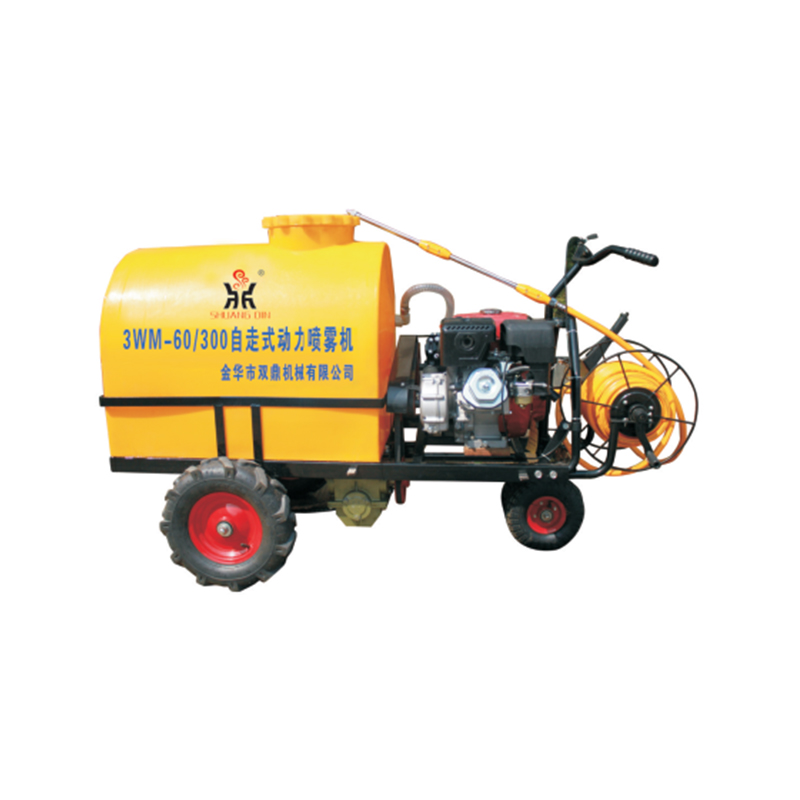
Modern garden sprayers equipped with diaphragm pumps are portable and can be handcart-mounted or supported on stretchers. This mobility allows operators to move easily across varied terrain, including orchards with uneven ground or urban green belts with pathways.
The self-powered design of motorized sprayers reduces manual effort, allowing operators to focus on spraying tasks without fatigue. This maneuverability is particularly useful in large fields or complex landscapes where quick repositioning is required.
Maintenance Considerations
Proper maintenance of a Sprayer Diaphragm Pump ensures long-term performance and avoids unexpected downtime. Key maintenance practices include:
- Regular inspection of diaphragms, valves, and seals for signs of wear or damage.
- Flushing the system with clean water or appropriate cleaning solutions after each use.
- Monitoring pump output pressure and flow to detect early signs of reduced efficiency.
- Replace worn parts promptly to prevent damage to other components.
Factories producing these pumps often provide detailed manuals and technical support, making it easier for operators to follow maintenance schedules and keep their sprayers functioning optimally.
Versatility Through Nozzle and Spray Configurations
One of the advantages of a Sprayer Diaphragm Pump is its adaptability to different nozzle types and spray guns. Operators can switch between fine mist nozzles for delicate plants and wide-spray nozzles for large trees or fields. This flexibility enables a single sprayer system to perform multiple tasks, such as:
- Mist spraying for seedlings and low shrubs
- High-pressure flushing for tree canopies
- Fertilization across broad field areas
Such versatility reduces the need for multiple types of equipment, which saves investment costs and simplifies operations.
 Previous