

 EN
 English
 中文简体
 русский
Diaphragm Pump China show up almost everywhere liquids need to be moved: chemical plants, water treatment stations, food lines, pharmaceutical facilities. They cope with a wide range of fluids, and because the liquid stays sealed away from many of the moving parts, they're a common pick when leakage control matters.
Still, they wear out like any other machine. A slight shift in how the pump behaves might point to a worn part, a damaged material, or a fault somewhere else in the system. Ignore it long enough and a small fault starts eating into output and piling up maintenance work.
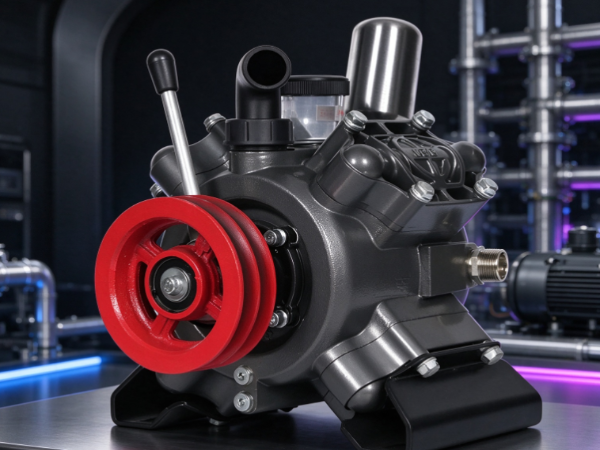
If you buy diaphragm pumps from China, knowing the typical failure symptoms helps twice: when you choose the equipment, and when you plan its upkeep. Catching the signs early lets operators act before the pump quits. It also lets maintenance teams track down the cause instead of swapping parts and hoping for the best.
So how do you spot trouble early? Usually by watching for changes in flow, pressure, noise, vibration, air consumption, and leakage.
Why Is Early Detection Important for Diaphragm Pumps?
A diaphragm pump moves liquid by flexing a membrane back and forth. Each stroke pulls fluid into the chamber and pushes it out toward the discharge line. That cycle depends on the diaphragm, the valves, the pump body, and the parts around them all being in good shape.
Under normal conditions these parts work in step. Over time, though, constant movement, chemical contact, friction, and shifting operating conditions wear them down.
Pumps rarely fail without hinting at it first. A diaphragm often stiffens before it tears. A valve can clog with solids well before flow drops to nothing. A loose fitting may leak a little air at first, then more as weeks pass.
Catching these changes early lets operators:
- Cut down on unplanned shutdowns.
- Skip part replacements that weren't needed.
- Keep fluid transfer steady during production.
- Lower the risk of leaks.
- Schedule maintenance at a convenient time.
- Stop damage from spreading to other components.
All of this ties back to production planning. When a pump sits in a continuous line, one failure can halt the whole process.
What Are the Common Early Signs of Diaphragm Pump Failure?
A pump usually gives off several hints when its condition starts to change. They may show up one at a time or together. Operators should respond to odd behavior instead of waiting for a full stop.
1. Reduced or Unstable Fluid Flow
Weaker flow is among the common warning signs.
A healthy pump moves liquid at a fairly steady rate. If the discharge turns weak, uneven, or keeps cutting out, the cause could be the pump or the pipework attached to it.
A damaged diaphragm may not travel far enough to draw in and push out the expected volume. Worn or blocked valves can also keep the pump from moving fluid properly.
That said, low flow doesn't automatically mean a bad diaphragm. Other things can produce the same symptom:
- A blocked inlet pipe.
- Air getting into the supply line.
- A clogged filter.
- An empty or nearly empty supply tank.
- A valve set in the wrong position.
- A change in the fluid's properties.
Check the whole transfer system before concluding the pump needs to be opened up.
2. Unusual Noise During Operation
Sound tells you a lot about a pump's condition.
An internal fault may bring clicking, knocking, rattling, or other uneven mechanical noise. These sounds often come from loose parts, valve trouble, foreign material inside the pump, or abnormal movement.
On air-operated models, the air supply affects sound too. If the air pressure wanders, the pump's rhythm changes and it won't sound like it usually does.
The trick is separating everyday noise from something new. People who work around the pump daily tend to notice the difference quickly.
When a strange noise appears, stop and check the pump. Letting it run on can speed up wear if something inside is already damaged.
3. Increased Vibration or Irregular Movement
Some vibration is normal. A sudden jump in intensity, or a change in the movement pattern, is not.
Heavy vibration often traces back to loose mounting parts, an unstable base, worn internal components, or problems in the connected piping.
If the pump isn't fixed down firmly, it will shake more as it runs. Pipe stress can also push extra force onto the pump body and its connections.
Sometimes damaged internal parts make the stroke uneven.
Check that the pump is properly supported and that the pipes aren't pulling on it. If the vibration continues once the outside factors are fixed, an internal inspection is probably due.
How Can a Damaged Diaphragm Be Identified?
The diaphragm is the part doing the real work. It separates the fluid chamber from the rest of the pumping mechanism and flexes again and again to create suction and discharge.
Since it moves constantly and touches the pumped liquid, its condition directly affects how the pump runs.
It doesn't always fail suddenly. More often the material wears, stretches, hardens, or weakens bit by bit.
What Physical Changes Should Operators Look For?
A failing diaphragm may show visible or operational symptoms.
| Warning Sign | Possible Cause | Recommended Inspection |
|---|---|---|
| Reduced pumping capacity | Diaphragm wear or damage | Check diaphragm condition and fluid flow |
| Irregular pumping movement | Deformation or internal wear | Inspect the diaphragm and related components |
| Liquid leakage | Diaphragm rupture or sealing problems | Check the fluid chamber and seals |
| Unusual operating noise | Abnormal internal movement | Inspect moving parts and valves |
| Repeated operating interruptions | Diaphragm or air supply problems | Examine the pump and air system |
During maintenance, look for cracks, tears, swelling, hardening, and any change in the surface of the diaphragm. Any of these may mean the material doesn't suit its working environment.
Material compatibility deserves extra attention. A diaphragm that lasts well in water may behave very differently around certain chemicals, oils, or solvents.
Temperature matters as well. Strong heat, or repeated swings between hot and cold, can reduce the flexibility and lifespan of some materials.
So pick the diaphragm material based on the actual fluid and conditions. The right choice cuts down on early wear and repeat repairs.
Can Fluid Leakage Indicate a Serious Pump Problem?
Yes, and leakage is a sign nobody should brush aside.
A diaphragm pump is built to send liquid along a controlled path. If fluid shows up around the body, the connections, or the discharge area, find out where it's coming from.
Possible sources include a damaged diaphragm, worn seals, loose connections, or a cracked housing. The real cause depends on the pump design and the liquid.
A small leak can look harmless at first. In an industrial setting it rarely stays that way.
Chemical leaks can expose workers to dangerous substances or damage nearby equipment. Water can reach electrical systems or leave the floor slippery. In food and pharmaceutical plants, a leak also raises contamination and hygiene concerns.
Where the leak appears helps narrow things down:
- Around pipe connections: Check fittings, threaded joints, and sealing surfaces.
- Near the pump housing: Look for cracks or damage on the body.
- Around the fluid chamber: Examine the diaphragm and related seals.
- Near the air section: Check for air leaks or damaged connections.
Follow your safety procedures before inspecting a leaking pump. If the liquid is hazardous, isolate the system and handle it according to site rules.
Don't keep a leaking pump running just because the loss seems minor. Find the source before it goes back into normal service.
Why Does a Diaphragm Pump Lose Its Pumping Ability?
A pump can keep running while its ability to move liquid fades. That's confusing, because everything looks fine from the outside even though the transfer is no longer steady.
Several things can cause it.
Are the Inlet and Outlet Valves Working Properly?
The inlet and outlet valves set the direction of flow inside the pump. They let liquid into the chamber and stop it from running backward during discharge.
If a valve clogs, wears out, or won't close fully, the pump struggles to transfer fluid.
Solids in the liquid are a frequent culprit. Fibers, sediment, and other debris can lodge around the valve seat and keep it from opening or closing the way it should.
Operators may see lower flow, uneven discharge, or repeated interruptions.
During inspection, look at the valves for buildup, deformation, wear, and poor sealing. Depending on what you find, clean or replace them.
Could Air Supply Problems Affect Pump Performance?
Air-operated pumps need a stable supply of compressed air. If the supply is weak or erratic, the pump may run slowly, stall unexpectedly, or fail to hold a steady transfer rate.
Typical causes are blocked air filters, damaged hoses, loose connections, and faults elsewhere in the air system.
Moisture or contaminants in the compressed air can also interfere with certain pump components.
Check the air supply before opening the pump. That saves you from taking it apart when the real fault sits in the external system.
Electric diaphragm pumps are different. For those, focus on the motor, the electrical connections, and the control system.
What Operating Conditions Can Cause Premature Diaphragm Pump Failure?
A pump may be designed for a specific environment, but unsuitable conditions will still shorten its life.
This matters to manufacturers, distributors, and industrial users who buy diaphragm pumps from China.
Fluid Compatibility
The pumped liquid directly affects which materials the pump can use.
Some chemicals make certain diaphragm materials swell, soften, or lose flexibility. Others slowly attack seals and internal surfaces.
If the pump was chosen without checking chemical compatibility, trouble can appear even when installation and operation are done correctly.
Before selecting a pump, work out the liquid's properties: its chemical nature, viscosity, and likely solid content.
Excessive Solid Particles
Some diaphragm pumps handle liquids with suspended particles. Size, concentration, and type of particle still count, though.
Large or abrasive particles can scratch internal surfaces, jam valve movement, or cause blockages.
Good filtration reduces the chance of contaminants reaching the pump. The filter type should also fit the demands of the transfer process.
Incorrect Installation
Installation errors affect performance from day one.
A badly placed inlet pipe can starve the pump. Wrong connections can pull air into the system. An unstable mount creates vibration and mechanical stress.
Install the pump according to its design requirements. Support the pipe connections, and confirm the inlet and outlet directions before starting up.
Inadequate Maintenance
Even a pump in suitable conditions needs regular checks.
Skip routine maintenance and small problems go unnoticed. Dirt builds up around valves, seals wear down, and loose connections get worse.
A maintenance schedule built around the real working environment helps operators catch developing faults before they stop production.
How Should Operators Inspect a China Diaphragm Pump?
A practical inspection doesn't call for fancy tools. Plenty of early warning signs show up through routine observation and basic checks.
The inspection should cover both the pump and the system around it.
| Inspection Area | What to Check | Why It Matters |
|---|---|---|
| Pump body | Cracks, corrosion, and visible damage | Identifies external deterioration |
| Diaphragm | Tears, swelling, and deformation | Helps detect membrane wear |
| Valves | Blockages and poor sealing | Supports stable fluid movement |
| Pipe connections | Loose fittings and leakage | Prevents fluid or air loss |
| Air supply | Unstable supply and damaged hoses | Supports normal air-operated pump movement |
| Motor and electrical system | Unusual noise or connection problems | Helps identify electric pump faults |
| Mounting structure | Loose fasteners and excessive vibration | Reduces installation-related problems |
Keep operating records as part of the routine.
Log changes in flow, odd sounds, leaks, maintenance work, and replaced parts. Over time these notes reveal recurring problems and show how the pump behaves under different conditions.
When a fault appears, don't swap out several components without looking for the root cause. A torn diaphragm may come from chemical incompatibility, and valves that keep clogging may mean the fluid carries unsuitable particles.
Fix the original cause and the same problem is far less likely to come back.
What Should Buyers Consider When Choosing a Diaphragm Pump from China?
Spotting early failure isn't only a maintenance matter. It starts at purchase.
Each industrial application has its own transfer requirements. A pump that suits water treatment may be a poor fit for aggressive chemicals or liquids with solids.
When comparing diaphragm pump manufacturers in China, pay attention to these areas.
- Pump Material Compatibility
Ask what the pump body, diaphragm, seals, and valves are made of. Each should suit the liquid and the working environment.
- Product Structure
Learn how the pump is built and how the main parts can be inspected or replaced. A clear layout makes routine maintenance easier.
- Application Experience
Talk through your application with the manufacturer. Describe the liquid, working conditions, installation environment, and expected process. That shows whether the proposed pump fits.
- Spare Parts Availability
Diaphragms, valves, and seals will likely need replacing at some point. Find out how to get them and whether compatible replacements are available.
- Maintenance Support
Request product manuals, maintenance guidance, and troubleshooting information. Clear documents help maintenance teams recognize common faults and inspect correctly.
- Quality Inspection Procedures
Ask how the manufacturer checks assembly, sealing performance, and operation before shipping. The answers say a lot about its production and inspection process.
For international buyers, communication counts too. The manufacturer should grasp your application requirements and explain the structure, material options, and maintenance needs in plain language.
A sound purchase takes more than comparing product descriptions. You need to understand how the pump will perform in your real working environment, and how problems will be handled across its service life.
 Previous
