

 EN
EN  English
 中文简体
中文简体 русский
In many workshops, farms, and service areas, the sprayer sits ready for daily use. It may look simple from the outside. A tank, a hose, a pump. Inside, though, one small flexible part keeps everything moving in rhythm. That part is the diaphragm.
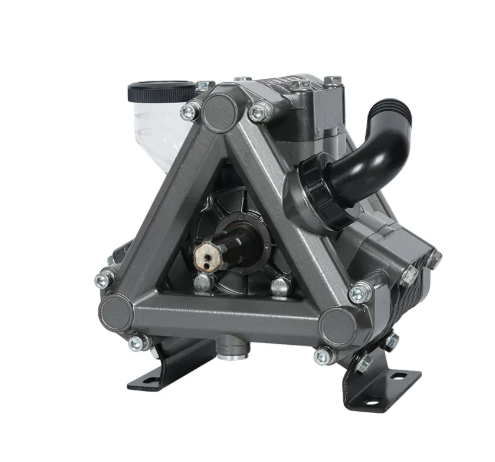
It bends again and again while the sprayer runs. It separates motion from liquid. It keeps pressure steady. Most of the time, no one notices it. Until something feels off.
People often ask a practical question rather than a technical one: How do I know it is time to replace it? The answer rarely comes from a single sign. It comes from a mix of small changes that slowly become harder to ignore.
What Does A "Normal" Sprayer Feel Like?
Before spotting a problem, it helps to know what normal feels like.
A healthy sprayer has a certain rhythm. When you switch it on, the response is quick. The flow begins without hesitation. The spray pattern looks even. There is no sudden jump or drop.
The sound is steady. Not loud, not quiet, just consistent. After a while, operators recognize this sound without thinking about it. It becomes familiar, almost like background noise.
The trigger or control feels smooth. No resistance. No delay.
This "normal state" is important. Without it, small changes can go unnoticed.
What Small Changes Usually Appear First?
Early signs are easy to miss because the sprayer still works. Nothing stops completely.
You might notice the pressure feels slightly weaker. Not enough to stop the job, but enough to make you adjust your hand or pace.
The spray may look uneven at times. A fine mist one moment, a heavier stream the next. It might correct itself, then repeat the same pattern later.
Some users describe it as "inconsistent but not broken." That is often the beginning.
Another early sign is subtle vibration. The sprayer may feel a bit rougher in the hand. Not dramatic, just different from before.
These small shifts often point to the diaphragm losing its original flexibility.
Does The Sound Of The Pump Tell A Story?
Yes, and many experienced operators rely on sound more than anything else.
A steady pump produces a predictable tone. When the diaphragm starts to wear, that tone changes. It may become uneven. It may sound like it is skipping a beat.
Sometimes there is a faint clicking or pulsing sound. Not loud, but noticeable in a quiet space.
Think of it like a musical rhythm. When one note falls out of place, the whole pattern feels off.
Ignoring these sound changes is common, especially during busy work. But they often appear before visible damage.
How Does Sprayer Diaphragm Quality Reflect Internal Wear?
Spray quality is one of the clearest signals.
A healthy diaphragm helps maintain steady pressure, which leads to an even spray. When the diaphragm weakens, that balance disappears.
You may see:
- uneven coverage on surfaces
- droplets forming instead of a fine mist
- sudden bursts followed by weaker output
This can affect the outcome of the work. In agricultural use, it may to patchy coverage. In cleaning tasks, it may leave areas untreated.
The key point is not perfection, but consistency. When consistency fades, the diaphragm is often involved.
Can You See The Problem With Your Eyes?
Sometimes yes, sometimes no.
If you open the pump housing and check the diaphragm, visible signs may include:
- small cracks along the surface
- slight warping or stretching
- areas that look thinner than others
Here is a simple observation table:
| What You See | What It Might Mean |
|---|---|
| Smooth surface | Likely still usable |
| Fine cracks | Early wear |
| Deformation | Loss of shape |
| Surface dullness | Material fatigue |
However, not all damage is visible. A diaphragm can look fine but still perform poorly. That is why visual checks should be combined with performance observation.
Why Does The Diaphragm Wear Out Over Time?
No mystery here. It works hard every time the sprayer runs.
Each cycle bends the material. Over time, repeated movement causes fatigue. Even durable materials cannot avoid this.
Contact with liquids also plays a role. Some liquids are gentle. Others slowly affect the surface. The effect is not always immediate, but it builds over time.
Temperature changes add another layer. A diaphragm may feel flexible in one condition and stiffer in another. Repeated shifts can speed up wear.
Storage habits matter as well. Leaving liquid inside for long periods can quietly weaken the material.
None of these factors act alone. They combine, day after day.
When Does "Still Working" Become "Needs Replacement"?
This is where judgment comes in.
A sprayer can continue working even with a worn diaphragm. The question is how well it works.
Consider replacement when:
- adjustments no longer restore stable pressure
- performance keeps changing during one task
- minor issues appear more often than before
- the sprayer feels unreliable
There is also a practical side. If a job depends on consistent output, waiting too long can create bigger problems.
Some operators prefer to replace the diaphragm before clear failure. Others wait until performance drops further. Both approaches exist, but awareness is the deciding factor.
What Happens If You Ignore The Signs?
At first, not much. The sprayer continues to operate.
Over time, the issues grow. Pressure becomes harder to control. Flow interruptions become more frequent.
Eventually, the diaphragm may tear or lose its ability to move properly. When that happens, the sprayer may stop working during use.
This kind of interruption rarely comes at a convenient time. It often happens in the middle of a task.
Ignoring early signs does not cause immediate failure, but it increases the chance of sudden problems later.
How Can Simple Habits Help You Catch Problems Early?
No special tools are needed. Just attention.
A few habits make a difference:
- listen to the Diaphragm Pump For Pesticides each time you start it
- watch the spray pattern for a few seconds before working
- check for small leaks after use
- clean the sprayer so surfaces stay visible
These actions take little time. Over days and weeks, they build a clear sense of how the sprayer behaves.
When something changes, it becomes easier to notice.
Is There A Difference Between Gradual Wear And Sudden Failure?
Yes, and it matters.
Gradual wear shows signs. Small changes appear and slowly become more obvious. This gives time to react.
Sudden failure feels different. The sprayer may stop without warning. In many cases, the diaphragm reaches a point where it can no longer handle pressure.
Gradual wear is more common. Sudden failure often happens when earlier signs were missed or ignored.
Understanding this difference helps set expectations. Not every issue can be predicted, but many can.
How Do Usage Habits Influence Replacement Timing?
The way a sprayer is used shapes how long the diaphragm lasts.
Frequent use means more movement cycles. More cycles mean faster wear.
Handling also plays a role. Smooth operation reduces stress. Sudden pressure changes can strain the material.
Cleaning habits matter. Residue left inside can slowly affect the diaphragm.
Storage conditions add another factor. A stable environment helps maintain flexibility. Extreme conditions can shorten lifespan.
Each habit may seem small, but together they influence how quickly replacement becomes necessary.
A Quick Side-by-Side Comparison
| Condition | Healthy State | Worn State |
|---|---|---|
| Spray flow | Even | Irregular |
| Sound | Steady | Uneven |
| Response | Immediate | Slight delay |
| Feel | Smooth | Slight vibration |
| Reliability | Predictable | Uncertain |
This table is not a strict rule. It works as a general reference during daily use.
What Does Experience Teach Over Time?
People who use sprayers regularly often rely on instinct. Not guesswork, but familiarity.
They notice when something "feels different," even before they can explain why. That feeling usually comes from small changes adding up.
New users may focus on visible signs. Experienced users pay attention to behavior. Both approaches are useful.
Over time, the diaphragm becomes less of a hidden part and more of something you understand through use.
And that is often the clearest answer to the original question.
You know it needs replacement when the sprayer no longer feels like it used to.
 Previous