

 EN
 English
 中文简体
 русский
Diaphragm pumps serve many industries. They transfer liquids, handle chemicals, move slurries and support fluid processing tasks. Their working principle suits applications where controlled fluid movement matters, and where the pumped liquid needs separating from certain mechanical parts. Like any equipment, though, a diaphragm pump needs regular care to keep operating steadily.
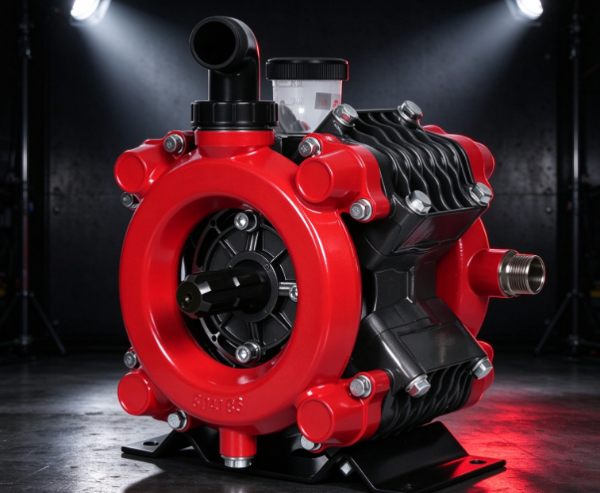
For buyers, maintenance deserves attention before the purchase, not just after installation. The type of liquid, the working environment, the pump structure and the frequency of use all shape maintenance needs. Understanding these factors helps buyers plan routine inspections, prepare spare parts and cut avoidable interruptions.
Maintenance also goes beyond replacing worn components. Correct installation, suitable operating conditions, proper cleaning and clear maintenance records all influence how a pump performs over time. Buyers who grasp these details talk to a diaphragm pump supplier more effectively and choose equipment that fits their actual applications.
Why Is Regular Maintenance Important for Diaphragm Pumps?
A diaphragm pump depends on the repeated movement of a flexible diaphragm to transfer fluid. During operation, the diaphragm moves back and forth, letting liquid enter and leave the pumping chamber. Valves control the direction of flow. Depending on the design, the driving force comes from compressed air, an electric motor or another mechanism.
These repeated movements stress the working components. Over time, the diaphragm wears, valves collect deposits and connections loosen. How fast this happens depends on the fluid, the operating conditions and the maintenance practices.
Regular maintenance spots developing problems before they interrupt production. A small change in flow, an unusual sound or a visible leak often signals that a component needs attention. Operators who catch these signs early inspect the relevant parts instead of waiting for the pump to stop.
Maintenance also makes equipment management more predictable. Buyers plan inspections around production schedules, keep suitable replacement parts on hand and reduce urgent repairs. That helps most in facilities where fluid transfer is closely linked to other production processes.
The goal isn't to inspect every component constantly. It's to set up a practical routine based on the pump design, the liquid being handled and the conditions the equipment runs in.
Which Pump Components Need Regular Inspection?
Not every component wears at the same rate. Buyers need to know which parts call for routine attention and what signs point to a problem.
The diaphragm is a key component because, in many designs, it separates the pumping chamber from the driving mechanism. Repeated flexing, chemical exposure, temperature changes and unsuitable operating conditions all affect its condition. Cracks, deformation, swelling or other visible changes mean the diaphragm needs closer inspection or replacement.
Valves deserve attention too. Their movement controls the direction of fluid flow. Deposits, trapped particles or worn contact surfaces stop a valve from opening or closing properly. The result is reduced flow, irregular operation or trouble keeping transfer consistent.
Check seals and connection points for leakage. Even a small leak creates a housekeeping problem, exposes nearby equipment to the liquid or signals that a connection needs work. The consequences depend on the properties of the fluid being transferred.
Other parts need inspection depending on the pump structure. These include fasteners, air supply connections, drive components and the surfaces around the inlet and outlet.
| Component | What to Check | Possible Signs of a Problem |
|---|---|---|
| Diaphragm | Surface condition and signs of material change | Cracks, swelling, deformation, or leakage |
| Valves | Movement, cleanliness, and contact surfaces | Restricted flow, irregular movement, or poor closure |
| Seals and joints | Connection condition and signs of leakage | Wet surfaces, loose connections, or fluid residue |
| Inlet and outlet | Blockages and accumulated material | Reduced flow or unstable transfer |
| Drive components | Unusual movement, noise, or visible wear | Vibration, irregular operation, or abnormal sounds |
Assess inspection findings in context. A change in flow doesn't automatically mean the diaphragm has failed. A blocked inlet, unsuitable fluid conditions or a valve problem produce similar symptoms. Checking the pump systematically keeps operators from replacing parts they don't need to.
How Do Fluid Properties Affect Maintenance Needs?
The liquid being transferred directly shapes how a diaphragm pump needs maintaining. Two pumps with similar structures need different inspection routines when they handle different fluids.
Chemical compatibility is a key consideration. Some liquids react with diaphragm materials, seals or other wetted components. That causes swelling, hardening, softening or a gradual loss of flexibility. Buyers should confirm that the materials touching the liquid suit the intended application. The check covers the liquid itself and any cleaning agents used during maintenance.
Viscosity affects pump operation as well. Thick liquids are harder to move through the inlet and outlet, especially when the piping layout or supply conditions restrict flow. If the liquid carries suspended particles, they collect in valves or narrow passages. Over time, deposits interfere with normal fluid movement.
Some applications involve liquids that dry, crystallize or leave residue when the pump sits idle. In these cases, the time between operating cycles and the cleaning method become important parts of maintenance planning. Residue left inside the pump makes the next start-up harder or affects the movement of internal components.
Buyers should give a diaphragm pump supplier clear information about the fluid: its general composition, chemical properties, viscosity and any solid content. They should also say whether the pump will handle different liquids at different times. This information shows whether the pump materials and maintenance procedures suit the application.
Cleaning requirements need careful thought too. A cleaning method that works for one material damages another. Follow the pump manufacturer's instructions, and check that the cleaning fluid is compatible with the diaphragm, seals and other internal parts.
What Daily Operating Signs Should Operators Watch For?
Routine maintenance doesn't always mean taking the pump apart. Many useful clues show up during normal operation. Operators who know what to look for spot changes and arrange an inspection before a minor issue grows.
Changes in flow are worth noting. If the pump moves less liquid than expected, the cause could be an obstructed inlet, a sticky valve, a worn diaphragm or unsuitable supply conditions. If the flow turns irregular, check whether the liquid supply is stable and whether the pump runs under the intended conditions.
Unusual sounds carry information as well. A new rattle, knock or harsh noise points to loose parts, restricted fluid movement or changes in the driving mechanism. Noise alone can't identify the exact cause. Treat it as a prompt for closer inspection, not a reason to assume a component has failed.
Leakage needs prompt attention. Look around the pump body, fluid connections and other relevant joints. The response should match the risk of the liquid. If the fluid is hazardous, corrosive or otherwise unsafe to touch, follow the site procedure for isolation and spill control.
Other warning signs include unexpected vibration, repeated interruptions, difficulty starting or visible damage to connected hoses and fittings. These changes come from the pump itself or from the surrounding system. Include the inlet line, outlet line, fluid supply and driving source in the inspection.
A simple operating log helps teams tell a one-time disturbance from a recurring problem. Recording the symptom, the operating conditions and the action taken gives maintenance staff a clearer basis for further checks.
How Should Diaphragm Pumps Be Cleaned and Stored?
Cleaning matters most when a pump handles liquids that leave deposits, change state in air or must not mix with other materials. The right method depends on the pump design and the fluid. Buyers should understand these requirements before the equipment enters regular service.
Where the process allows, clean between production runs or when switching from one liquid to another. Operators should confirm the cleaning fluid is compatible with the pump's internal materials. They should also think about residue that stays in valves, chambers, fittings or other hard-to-reach areas.
A cleaning procedure should say which parts need attention and how to return the pump to service. If the equipment has to be opened for cleaning, staff follow the manufacturer's instructions for disassembly and reassembly. Incorrect assembly affects sealing, fluid movement and safe operation.
Keep safety in the process. Before cleaning or opening the pump, operators isolate the driving source and relieve any stored pressure according to the equipment instructions. Handle the pump and connected lines so they can't move or release fluid unexpectedly. Protective equipment and site procedures are also necessary when the liquid is hazardous.
Storage conditions matter when a pump stays unused for a long period. Depending on the application, the equipment needs draining, cleaning, drying or protection from dust and moisture. Check any special storage requirements for the diaphragm and seals with the supplier. Unsuitable liquid left inside the pump causes deposits or material changes during downtime.
When the pump returns to service, operators inspect its condition and confirm the connections are secure. If the equipment was dismantled or stored for a long time, complete the required checks before normal operation resumes.
How Can Buyers Build a Practical Maintenance Schedule?
A useful maintenance schedule reflects how the pump is actually used. A pump that runs often with an abrasive or residue-forming liquid needs different attention from one used occasionally with a clean, compatible fluid. Applying the same routine to every pump overlooks individual needs.
Buyers can work with operators and maintenance staff on a schedule that covers routine observation, planned inspection, cleaning and component replacement where needed. The manufacturer's instructions guide the recommended checks and service procedures. Adapt the schedule to the site's operating conditions without ignoring the equipment's stated limits.
A practical plan often splits maintenance into several levels:
- Routine observation: Check for leakage, unusual sounds, changes in flow, visible damage and other signs of abnormal operation.
- Planned inspection: Examine accessible components, connections, valves and other parts named in the maintenance instructions.
- Scheduled servicing: Carry out cleaning, component checks and replacement work according to the pump's condition and the manufacturer's guidance.
- Post-maintenance checks: Confirm correct assembly, secure connections and safe operation before returning the pump to normal service.
This structure shows teams what needs attention and when. It also clarifies responsibilities, especially when several operators share the same equipment.
Don't set maintenance intervals by guesswork. Operating frequency, liquid properties, environmental conditions and previous inspection findings all give useful guidance. If a component wears repeatedly, investigate the underlying cause. Shortening the replacement interval isn't the answer. The issue could be material compatibility, installation, contamination or the way the pump is operated.
Records make these decisions easier. A maintenance log includes the date of inspection, observed symptoms, work completed, parts replaced and any follow-up action. Over time, these records reveal recurring problems and help the team plan servicing with less disruption to production.
Which Spare Parts Should Buyers Prepare?
Spare parts planning is a key part of diaphragm pump maintenance. When a component wears out, having the right replacement on hand shortens the time needed to restore operation. Stocking large quantities without considering actual needs, though, creates unnecessary inventory and storage concerns.
Buyers should identify the parts likely to need periodic replacement based on the pump design, operating conditions and supplier guidance. Diaphragms, valve components and seals are relevant for many applications, but the specific parts vary. Not every pump uses the same construction or replacement procedure.
Compatibility matters when ordering replacements. A part that looks similar differs in material, shape or fit. An unsuitable diaphragm or seal hurts performance and creates a leakage risk. Confirm the pump model and the exact component specification with the supplier before ordering.
Storage conditions deserve attention too. Keep replacement components in a suitable environment, protected from contamination, excessive moisture, direct sunlight and other conditions that affect their materials. Follow the supplier's storage guidance, especially for flexible components that change during prolonged storage.
Discuss spare parts availability when selecting a diaphragm pump supplier. Buyers can ask which components count as service items, how replacement parts are identified and what information is needed to order them correctly. Clear documentation helps maintenance teams avoid confusion when a part needs changing.
The aim is to prepare for foreseeable maintenance needs without treating every component as an immediate replacement candidate. Inspection findings and service records help buyers decide which parts deserve closer attention and which stay in normal use.
What Should Buyers Discuss With a Diaphragm Pump Supplier?
Maintenance planning gets easier when buyers understand the support their pump supplier offers. Product selection and long-term service are linked. A pump that suits the fluid and operating conditions is easier to maintain than equipment chosen without enough information about the application.
Buyers should discuss the intended liquid, operating frequency, installation environment, cleaning needs and any special handling requirements. They should also ask for clear maintenance instructions covering routine checks, safe shutdown, disassembly, reassembly and the inspection of wear-prone components.
Documentation is another useful topic. Product manuals, component lists and replacement part information help maintenance staff identify the right parts and follow consistent procedures. If the pump will serve a process with strict cleaning or fluid-handling requirements, buyers should explain those needs before confirming the equipment selection.
It also helps to clarify how potential faults get handled. Buyers can ask which symptoms require stopping the pump, which inspections trained site personnel can perform and when qualified service support is needed. That removes uncertainty when an unexpected issue occurs.
A supplier can also help buyers see whether recurring maintenance problems link to the application and not to normal component wear. Repeated valve blockage, for example, suggests the fluid contains material that accumulates inside the pump. Frequent diaphragm damage justifies a review of material compatibility or operating conditions.
Clear communication turns maintenance requirements into part of the purchasing decision. By weighing inspection routines, cleaning procedures, replacement parts and service documentation before installation, buyers prepare their teams to care for diaphragm pumps throughout their working life.
 Previous
