

 EN
EN  English
 中文简体
中文简体 русский
Agricultural work genuinely depends on equipment that can keep up with changing daily tasks. Liquid transfer is a big one. Water, crop care liquids, cleaning solutions, and other farm materials often need moving between containers, tanks, and application equipment throughout the day.
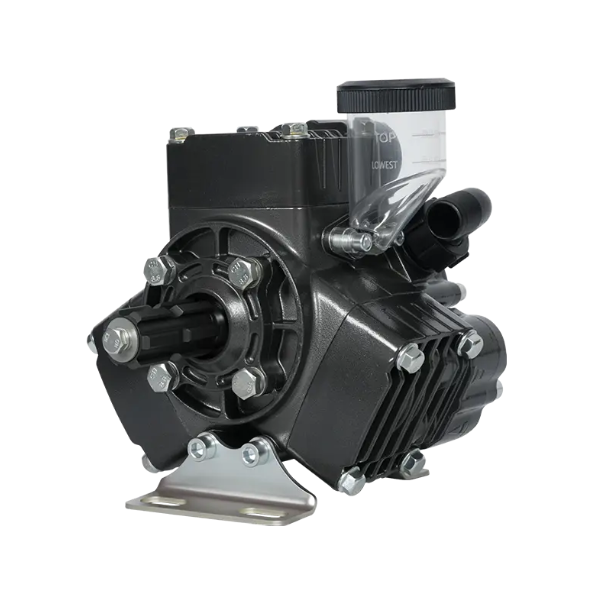
An agricultural Diaphragm Pump genuinely supports these activities by helping move liquids in a controlled way. It might show up as part of spraying equipment or other agricultural liquid handling systems on the farm.
Like other equipment working outdoors, a diaphragm pump sits exposed to genuinely demanding conditions. Dust, moisture, dirt, chemical residues, vibration, and repeated operation can gradually wear on its condition over time.
Routine maintenance, then, isn't something that only kicks in after a problem shows up.
A genuinely better approach is paying attention to the pump throughout its whole working life. Small changes in sound, movement, connections, or liquid flow often provide useful signs that an inspection's overdue.
Knowing when to inspect the pump genuinely helps farmers organize maintenance around their actual work instead of waiting around for some unexpected interruption.
Why Does an Agricultural Diaphragm Pump Need Routine Maintenance?
A farm pump might operate across genuinely different environments throughout the working season.
It might face dust while equipment gets moved across fields. During spraying work, the pump might come into contact with liquids that leave residue on external or internal parts. Storage can affect the equipment too, whenever moisture or dirt lingers around the pump.
Regular maintenance genuinely helps keep these conditions in check.
It also hands operators a genuine chance to catch wear before it snowballs into a much bigger operating issue.
Routine maintenance can involve simple activities like:
- Checking the pump before operation
- Inspecting hoses and connections
- Cleaning surfaces after use
- Looking for signs of leakage
- Checking the condition of working parts
- Reviewing unusual changes in operation
- Storing the pump in a suitable environment
The exact maintenance procedure genuinely depends on the pump design and the liquid being handled.
Farmers should follow the manufacturer's instructions and applicable safety requirements when servicing the equipment.
When Should Farmers Inspect an Agricultural Diaphragm Pump?
There is no single maintenance moment that suits every farm.
The frequency can depend on how often the pump operates, what type of liquid it handles, how it is installed, and the conditions around the equipment.
However, several situations should encourage an inspection.
Before Regular Operation
A quick check before starting work can help identify visible problems.
The operator can look at hoses, connections, fittings, and the outside of the pump. Signs of damage or leakage should not be ignored.
This type of inspection does not need to take long.
It can become part of the normal preparation process for agricultural equipment.
After Intensive Use
When a pump has been working for an extended period, it may be worth checking its condition before the next task.
Residue can build up around components. Connections may also need attention after repeated movement or vibration.
A post-operation inspection gives operators a chance to clean the equipment and identify changes while they are still easy to notice.
After Handling Certain Liquids
Some agricultural liquids can leave deposits or residue.
If these materials remain in the system, they may affect components over time.
Cleaning should follow the product and equipment instructions. Farmers should also use appropriate protective practices when handling agricultural chemicals.
Before Seasonal Storage
A pump should not simply be placed in storage immediately after the final operation.
Cleaning and inspection can help prepare it for a period of inactivity.
The storage environment should also be considered. A dry and protected location can reduce exposure to moisture, dirt, and unnecessary physical damage.
Before Returning to Work
Equipment that has been stored for a period should be checked before being placed back into service.
Hoses may have changed condition. Connections may need inspection. Dust or moisture may have entered exposed areas.
A pre-use check can help confirm that the pump is ready for the next task.
What Signs Suggest That a Pump Needs Attention?
Farmers do not always need to wait for a complete failure before checking a pump.
Changes in normal operation can provide useful clues.
For example, an operator may notice that the pump does not behave in the same way as before. The sound may change. Liquid movement may become less consistent. A connection may show signs of leakage.
These observations are worth investigating.
| Observation | Why It May Need Attention |
|---|---|
| Unusual operating sound | May indicate a change in pump condition |
| Visible leakage | Could point to a connection or component problem |
| Irregular liquid movement | May suggest that the system needs inspection |
| Damaged hose | Can affect safe and reliable liquid handling |
| Loose connection | May interfere with normal operation |
| Excessive residue | Can indicate that cleaning is needed |
| Unusual vibration | May indicate an equipment or installation issue |
| Reduced operating consistency | Can be a reason for further inspection |
These signs do not automatically identify a specific fault.
They simply indicate that the equipment deserves attention.
If a problem is suspected, operators should stop and inspect the equipment according to the relevant safety procedure rather than continuing to operate it without checking.
How Does Cleaning Affect Agricultural Diaphragm Pump Maintenance?
Cleaning is an important part of agricultural pump care.
Farm equipment often works with liquids that can leave residue. Dirt from fields can also collect on exposed surfaces.
If the equipment is not cleaned properly, residue may remain around connections and other areas.
Cleaning should be performed according to the pump manufacturer's instructions and the requirements associated with the liquid being handled.
The process may include:
- Stopping the equipment safely.
- Disconnecting or isolating the relevant system where required.
- Removing visible dirt from accessible areas.
- Flushing the system when the equipment instructions allow it.
- Checking hoses and connections.
- Allowing suitable components to dry as required.
- Inspecting the pump before storage or reuse.
The cleaning method should always match the pump and the material that has passed through it.
Agricultural chemicals also require careful handling. Farmers should follow the relevant product instructions and local safety rules.
Cleaning is not simply about appearance.
A clean pump is easier to inspect. Problems such as cracks, loose fittings, or residue buildup are easier to notice when the equipment is not covered with dirt.
Which Pump Components Should Farmers Check?
An Agricultural Diaphragm Pump contains several connected parts, and each may have a role in normal operation.
The exact design varies by product, but farmers commonly need to pay attention to accessible areas such as hoses, connections, seals, valves, and the pump housing.
The diaphragm itself is also an important working component.
Because it repeatedly moves during operation, its condition matters. If the equipment shows unusual operating behavior, the diaphragm may need inspection according to the manufacturer's service guidance.
Hoses deserve attention as well.
Agricultural equipment is often moved across uneven ground. Hoses may bend, rub against other objects, or become exposed to outdoor conditions.
A simple visual inspection can help identify:
- Cracks.
- Cuts.
- Unusual swelling.
- Loose connections.
- Signs of chemical deterioration.
- Unusual residue.
- Other visible damage.
Connections should also be checked.
A loose connection can create leakage and may interfere with normal liquid handling.
Farmers should avoid dismantling components unnecessarily. When internal service is required, qualified personnel should handle the work according to the equipment instructions.
How Can Working Conditions Affect Maintenance Needs?
Not every farm pump experiences the same working environment.
A pump used in a clean indoor agricultural facility may face different conditions from one used outdoors in a dusty field.
Weather can also influence equipment care.
Rain and moisture may affect exposed parts. Dust can collect around moving equipment. Heat and sunlight can also contribute to wear in certain materials.
The liquid itself matters too.
Different liquids have different handling characteristics. Some may leave more residue than others.
These factors mean maintenance should be based on actual operating conditions rather than a generic routine.
A useful maintenance plan can consider:
Working environment: Is the pump exposed to dust, rain, mud, or direct sunlight?
Liquid type: Does the handled liquid leave residue or require special cleaning?
Operating pattern: Is the pump used occasionally or as part of repeated farm work?
Storage: Is the pump protected when it is not being used?
Installation: Are hoses and connections exposed to movement or physical contact?
Looking at these factors can help farmers develop a maintenance routine that fits their equipment.
What Maintenance Is Useful Before Seasonal Storage?
Agricultural equipment may spend periods outside active operation.
Before storage, the pump should be cleaned and inspected according to the manufacturer's recommendations.
Leaving liquid residue inside equipment for an extended period may create avoidable problems.
The pump should also be stored in a location that protects it from unnecessary exposure.
A practical storage check can include:
- Cleaning the pump and accessible components.
- Inspecting hoses and connections.
- Checking for visible damage.
- Following the recommended procedure for removing or managing remaining liquid.
- Protecting suitable components from moisture and dirt.
- Keeping the equipment in an organized storage area.
- Reviewing the pump before returning it to service.
Storage is part of maintenance.
Equipment can deteriorate even when it is not operating if it is left in an unsuitable environment.
A little preparation before storage can make the return to normal work more straightforward.
How Can Farmers Build a Practical Maintenance Routine?
Maintenance becomes easier when it is connected to normal farm activities.
Instead of treating inspection as a separate project, farmers can associate it with common operating moments.
A simple routine might look like this:
Before use
Check the pump, hoses, fittings, and visible surfaces.
During use
Pay attention to unusual sound, movement, leakage, or changes in normal liquid handling.
After use
Clean the equipment according to the relevant instructions and inspect exposed components.
Before storage
Complete the required cleaning and preparation steps.
Before reuse
Inspect stored equipment before reconnecting it to the agricultural system.
This approach gives farmers several opportunities to notice changes.
It also reduces dependence on memory.
For farms with several pieces of equipment, keeping simple maintenance records can make it easier to track inspections and repairs.
The record does not need to be complicated. It can simply identify when the pump was checked, what was observed, and whether any service was required.
Why Is Preventive Care Relevant to Agricultural Equipment?
Agricultural work often follows a schedule.
When equipment is unavailable during an important task, workers may need to adjust the entire operation.
A diaphragm pump is only one component of a larger agricultural system, but its condition can influence the work around it.
Preventive care gives operators an opportunity to address visible wear or operating changes before they become more disruptive.
It also supports better equipment management.
Farmers can identify which components need attention, prepare replacement parts when appropriate, and organize servicing around work requirements.
The goal is not to eliminate every possible equipment problem.
Instead, routine maintenance provides a practical way to remain aware of equipment condition.
For an Agricultural Diaphragm Pump, the useful maintenance routine is one that reflects its working environment, liquid application, operating frequency, cleaning needs, and storage conditions. Regular checks before and after use, along with appropriate seasonal care, can help farmers manage the equipment as part of their normal agricultural workflow.
 Previous