

 EN
 English
 中文简体
 русский
Diaphragm pumps do a lot of quiet work in spraying systems. They draw liquid from a storage tank and push it to the spray nozzles, which supports agriculture, gardening, cleaning, sanitation and industrial processing. The pumps share one operating principle, but their designs and materials change with the job.
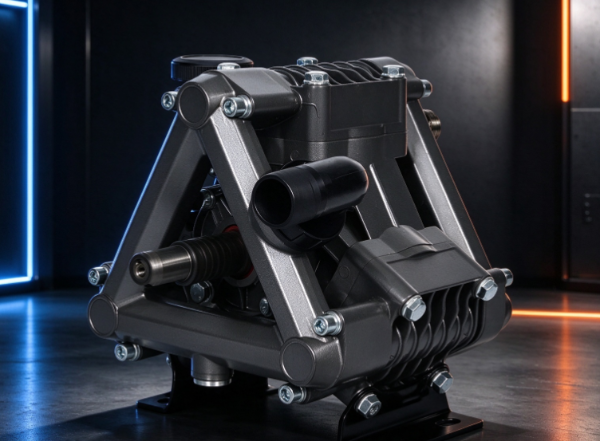
Picking one for a sprayer isn't just a matter of matching a pump to a machine. The liquid, the spraying environment, how often the pump runs and the layout of the system all shape the choice. A pump for garden watering faces different demands from one that applies crop treatment liquids or industrial cleaning solutions.
Knowing these differences helps equipment makers, distributors and end users choose a pump that fits the real task. It also cuts down on trouble with liquid compatibility, unstable delivery, early wear and needless maintenance.
What Makes a Diaphragm Pump Suitable for Spraying Applications?
A diaphragm pump moves liquid by flexing a diaphragm back and forth. As the diaphragm moves, the space inside the pump chamber changes. That creates suction to pull liquid in, then pressure to send it toward the outlet.
Valves steer the flow. They let fluid enter the chamber and then leave through the discharge passage. The cycle repeats as long as the pump runs.
Several traits make this design handy for spraying equipment:
- Controlled liquid movement: The diaphragm and valve arrangement moves liquid through the pump in repeated cycles.
- Separation of liquid and drive components: In many designs, the diaphragm keeps the pumped liquid apart from the mechanical drive section.
- Flexible installation options: Diaphragm pumps come in different structures to suit various equipment layouts.
- Compatibility with different liquids: Materials for the diaphragm, valves and pump body can be chosen to suit the liquid being handled.
- Suitability for repeated operation: The pumping action supports spraying tasks that need regular liquid delivery.
That's why diaphragm pumps appear in small spraying devices and larger equipment alike. Still, not every model suits every spraying task.
The pump has to match the liquid, the working environment and the equipment design. A model meant for clean water may not cope with liquids that carry suspended particles or chemical ingredients. Check material compatibility and internal construction before choosing.
Which Diaphragm Pump Is Suitable for Agricultural Sprayers?
Agricultural spraying is a core use for diaphragm pumps. Farmers spread fertilizers, crop protection liquids and other solutions across fields, orchards and planting areas.
The liquids and conditions vary. Some are easy to handle. Others contain active ingredients or suspended substances that call for careful material choices.
For agricultural sprayers, the pump should be compatible with the intended liquid and suit the way the equipment is used. Its structure should also support stable delivery to the spraying system.
A few factors deserve attention.
Liquid compatibility
Agricultural spraying liquids differ in chemical makeup. The diaphragm, valves, seals and internal surfaces must be compatible with what's being pumped. If a material reacts with the liquid, it can be damaged or stop sealing properly.
Operating frequency
Some agricultural sprayers run for long stretches in busy seasons. The pump should be built for the expected pattern of use, and its internal parts should be easy to reach for inspection and maintenance.
Spraying consistency
Uneven delivery changes how a sprayer spreads its contents. The pump should work with the equipment's pressure control and nozzle setup to keep spraying consistent.
Field conditions
Farm equipment may face dust, vibration, moisture and outdoor temperature swings. The pump housing and installation arrangement should suit those conditions.
So choose an agricultural pump based on the liquid and the real field application. Equipment for crop treatment may need different materials from equipment used for general water spraying.
How Should a Diaphragm Pump Be Selected for Garden and Lawn Sprayers?
Garden and lawn sprayers water plants, apply liquid fertilizers and spread garden care solutions. These jobs are usually less demanding than large-scale farming, but the pump still has to match the equipment's design.
Garden sprayers take different forms. Some are portable and made for small areas. Others connect to bigger tanks or fixed watering setups. Pump needs vary with the amount of liquid moved and how the equipment is operated.
For smaller garden sprayers, a compact diaphragm pump may be enough. Its size and mounting should fit the available space without making the equipment awkward to handle.
When choosing a pump for garden use, buyers should consider:
- Equipment size: The pump should fit the sprayer's internal layout and installation space.
- Liquid type: Water, liquid fertilizer and plant care solutions may call for different material compatibility.
- Operating method: Portable equipment may have different needs from a fixed garden spraying system.
- Maintenance access: The pump should allow easy inspection of parts that may need cleaning or replacement.
- Noise and vibration: These affect the user's experience, especially near homes or public areas.
A garden sprayer doesn't necessarily need the same pump structure as a large farm machine. Choosing for the actual task avoids needless complexity and makes the equipment easier to maintain.
Can the Same Diaphragm Pump Be Used for Chemical Spraying?
Not every diaphragm pump can handle every chemical liquid. Chemical spraying demands close attention to the materials that touch the pumped substance.
Some spraying liquids can attack rubber, plastic, metal or sealing materials. A diaphragm exposed to an incompatible substance may swell, harden, crack or lose flexibility. Valves and seals can suffer too.
So check chemical compatibility before choosing a pump.
The main areas to examine:
Diaphragm material
The diaphragm flexes constantly. It must stay flexible while resisting the liquid. The right material depends on the chemical composition and working conditions.
Valve and seal materials
Inlet and outlet valves control liquid movement through the pump. Their sealing surfaces must keep working after repeated contact with the liquid. Seal materials also need to be compatible with the substance being sprayed.
Pump body construction
The body holds the pumped liquid and supports the internal parts. Its material should suit the chemical environment and the equipment's operating conditions.
Cleaning requirements
Some chemical spraying jobs need the equipment cleaned afterward. The pump design should let the relevant passages be flushed or inspected without much difficulty.
Chemical spraying can involve liquids with very different properties. A pump that suits one treatment solution may be wrong for another. Users should check the liquid supplier's compatibility information and the pump manufacturer's material guidance before running it.
Follow the product safety instructions when handling chemical liquids as well. Proper cleaning, storage and protective measures reduce risk during routine use.
Which Diaphragm Pump Works for Industrial Cleaning and Spraying Equipment?
Industrial spraying systems operate in workshops, production facilities, equipment cleaning areas and other commercial settings. They may distribute cleaning solutions, washing liquids or other process fluids.
Compared with garden equipment, they can run more often and under tougher conditions. The liquid may also contain cleaning ingredients that need specific pump materials.
A suitable diaphragm pump should match the cleaning solution and the way the spraying equipment is laid out.
Several design points matter for industrial cleaning:
- Material resistance: The wetted components should tolerate the cleaning liquid without losing their intended properties.
- Operating durability: Repeated use keeps putting demands on the diaphragm, valves and seals.
- Liquid passage design: Internal passages should suit the liquid being handled and allow practical cleaning.
- Installation arrangement: The pump should fit the system layout and stay accessible for inspection.
- Maintenance needs: Parts that move often or touch cleaning liquids should be easy to check.
Industrial cleaning jobs aren't all alike. A pump for light equipment washing may face different requirements from one that distributes a concentrated cleaning solution.
Assess the liquid's chemical properties together with the equipment's operating pattern. That keeps a pump from being chosen only on its general application label.
What Is the Difference Between Single and Multiple Diaphragm Pump Designs?
Diaphragm pumps can also be sorted by the number and arrangement of their diaphragms. Single and multiple diaphragm designs have different internal structures and may suit different equipment needs.
A single diaphragm pump uses one flexible diaphragm to produce the pumping action. The structure is fairly simple, which can suit compact spraying equipment and simpler delivery needs.
Multiple diaphragm pumps use more than one diaphragm in the pumping assembly. Depending on the design, that internal arrangement can support different operating requirements.
The main differences are shown below:
| Structural feature | Single diaphragm pump | Multiple diaphragm pump |
|---|---|---|
| Diaphragm arrangement | Uses one diaphragm | Uses more than one diaphragm |
| Internal structure | Relatively simple | More components and a different internal layout |
| Equipment application | Often used in compact or simpler systems | May suit equipment with different delivery requirements |
| Maintenance focus | Attention to the single diaphragm and related valves | Inspection of multiple diaphragms and their associated components |
| Selection considerations | Equipment size and application needs | System design and required operating characteristics |
The number of diaphragms alone doesn't decide whether a pump suits a spraying task. Internal design, material selection and operating conditions still count.
Buyers shouldn't assume a multiple diaphragm design gives a better result automatically. Judge the pump as part of the whole spraying system.
How Do Pump Materials Affect Spraying Performance and Service Life?
Material choice directly affects how a diaphragm pump performs over time. The diaphragm, valves, seals and body all touch the liquid or support the movement of internal parts.
If these materials don't suit the application, the pump can develop leaks, lose flexibility, suffer damaged sealing surfaces or run into other problems.
Different materials bring different properties. Some are chosen for flexibility, others for resistance to particular chemicals or environmental conditions.
Each main component should be evaluated separately.
Diaphragm materials
The diaphragm bends over and over in operation. It has to keep its flexibility and shape while resisting the pumped liquid. Its material should match the fluid's chemical and physical properties.
Valve materials
Valves open and close on every pumping cycle. Their materials and sealing surfaces should handle repeated movement and contact with the liquid. Contamination or wear can change how they control flow.
Seal materials
Seals stop liquid from escaping through connections and moving parts. Compatibility with the pumped substance is key to keeping the pump sealed.
Housing materials
The pump body supports the internal assembly and contains the liquid passages. Its material should suit the installation environment and the substance being handled.
Start the selection process with the liquid itself. Buyers should work out whether it's water-based, chemically active, carries suspended particles or has other properties that could affect pump materials.
The spraying environment matters too. Outdoor equipment may meet moisture, sunlight, dust and changing temperatures. Industrial systems may see cleaning agents or repeated washing. These conditions can influence material choice and maintenance needs.
What Should Buyers Check Before Choosing a Diaphragm Pump for Sprayer ?
Choosing a diaphragm pump starts with a clear picture of the spraying task. A pump that fits one sprayer may not work as expected in another. Buyers should look at the complete equipment setup, not just the pump.
These points offer a practical basis for evaluation.
1. Identify the spraying application
Decide whether the pump will serve agricultural treatment, garden care, chemical spraying, industrial cleaning or another task. The application helps define the expected operating conditions.
2. Confirm the liquid properties
Check the liquid's composition and whether it contains chemicals, suspended particles or other substances that may affect internal pump materials.
3. Review material compatibility
Ask what materials are used for the diaphragm, valves, seals and liquid passages. Confirm compatibility for the actual liquid instead of assuming it from the general product category.
4. Consider the equipment layout
The pump should fit the sprayer's available space and connect properly with the tank, hoses, control system and nozzles.
5. Understand the operating pattern
Think about how often the equipment will run, and whether use will be continuous or on and off. The pump should suit the expected workload.
6. Check cleaning and maintenance requirements
Some liquids leave deposits or residues inside the pump. A design that allows practical cleaning and inspection simplifies routine care.
7. Review manufacturer guidance
Pump manufacturers can supply information on suitable liquids, operating conditions, maintenance procedures and replacement parts. Check this guidance before the equipment goes into service.
This table summarizes the main selection factors for different spraying applications:
| Spraying application | Main selection focus | Important considerations |
|---|---|---|
| Agricultural spraying | Liquid compatibility and operating conditions | Treatment liquids, outdoor exposure, repeated use |
| Garden and lawn spraying | Compact design and convenient operation | Equipment size, liquid type, maintenance access |
| Chemical spraying | Material resistance | Diaphragm, valve and seal compatibility |
| Industrial cleaning | Durability and cleaning requirements | Cleaning solution, operating frequency, internal access |
| General water spraying | Suitable liquid delivery and equipment fit | Pump layout, hose connections, nozzle arrangement |
Select a diaphragm pump according to the real requirements of the spraying system. Agricultural equipment, garden sprayers, chemical applicators and industrial cleaning machines may all use diaphragm pumps, but their internal components and material needs differ.
Matching the pump structure to the liquid, installation layout and operating conditions helps buyers choose with more confidence. It also gives manufacturers a clearer basis for designing spraying systems that are practical to operate, inspect and maintain.
 Previous
