

 EN
EN  English
 中文简体
中文简体 русский
A Sprayer Diaphragm Pump is a core component in many power sprayers used for garden, agricultural, and landscape applications. Its role is not just to move liquid, but to deliver stable pressure, handle different chemical properties, and support continuous spraying over wider areas. For users dealing with uneven terrain, long hoses, or multiple spray lances, this pump structure solves several practical problems encountered in daily work.
Unlike simpler pumping systems, diaphragm pumps rely on flexible membranes to move liquid. This design separates the working fluid from moving mechanical parts, which changes how the pump reacts to pressure fluctuations and chemical exposure.
Common Pain Points in Spraying Operations
Operators often face issues such as unstable pressure, inconsistent spray patterns, and frequent interruptions during work. Manual pump sprayers require repeated pressurizing, which causes spray variation over time. Battery-powered units improve consistency but may struggle with higher flow demands or extended hose lengths.
Gasoline-powered sprayers, especially those used on farms or large plots, require a pump that can handle higher output without rapid wear. This is where a Sprayer Diaphragm Pump becomes relevant, as it supports steady flow while managing pressure changes more smoothly.
How Diaphragm Pumps Support Different Sprayer Types
In garden power sprayers, three main categories exist: manual, battery-powered, and gasoline-powered. Manual units rely on user effort and are limited in output stability. Battery-powered sprayers use small electric pumps to maintain constant pressure, making them suitable for medium workloads.
Gasoline-powered sprayers often integrate a diaphragm pump or piston pump. In these machines, the Sprayer Diaphragm Pump allows higher pressure delivery while remaining adaptable to varying spray demands. This structure is especially useful when operating long hoses or dual spray guns, which require steady output across a distance.
Application in Small Self-Propelled Sprayers
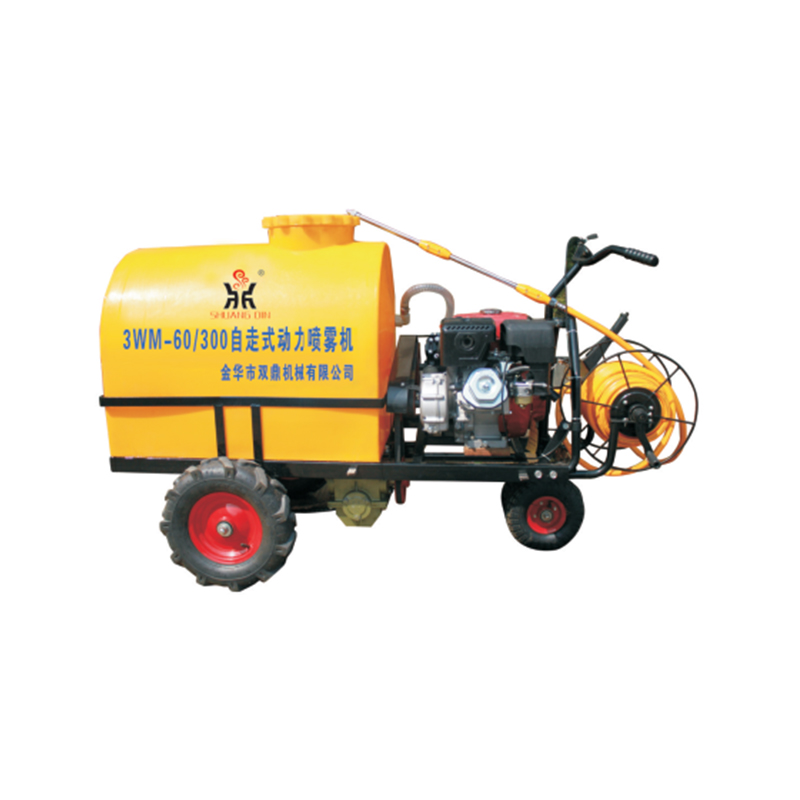
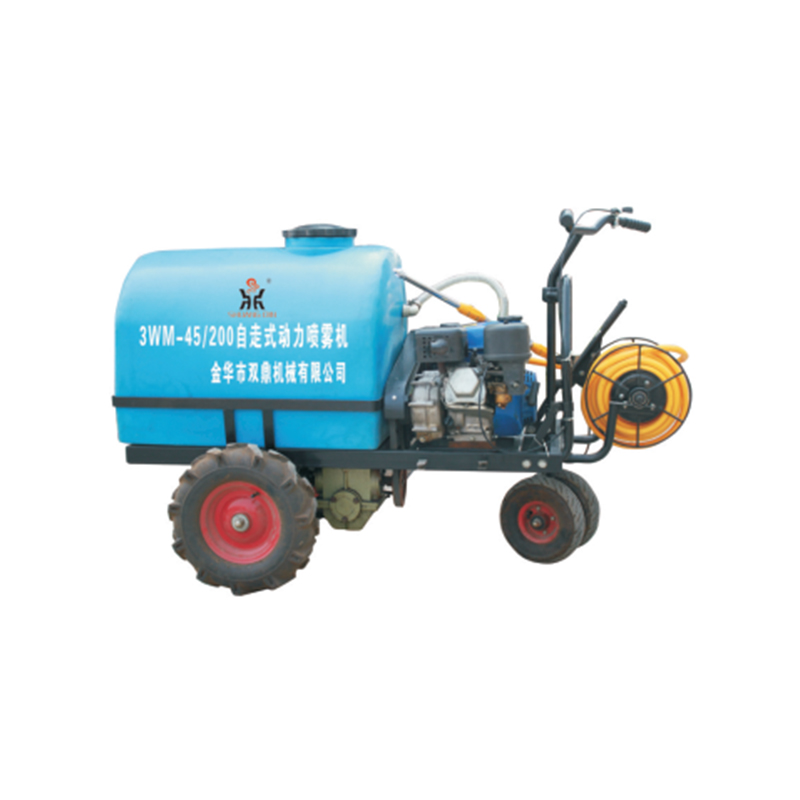
Small self-propelled sprayers are designed for covering larger areas with reduced physical strain. Consistent ground speed helps maintain even application, but this consistency also depends on the pump system. A diaphragm pump contributes by maintaining stable pressure even when spray volume changes during operation.
This stability supports uniform application across lawns, sports fields, or horticultural plots. When paired with a driven axle and steady movement, the pump helps avoid uneven coverage caused by pressure drops or surges.
Advantages of Stretcher-Mounted Sprayer Systems
Stretcher-mounted sprayers operate in environments where vehicle access is limited. These systems often rely on a compact gasoline engine paired with a diaphragm pump. The Sprayer Diaphragm Pump supports high-pressure output while allowing two operators to spray simultaneously.
Because the pump can manage different liquid viscosities and pressure demands, it is suitable for vegetable fields, orchards, and vineyards. Its ability to operate over distance makes it practical for challenging terrain where mobility is restricted.
Maintenance and Operational Considerations
From a factory perspective, diaphragm pumps are designed with serviceability in mind. Wear parts such as diaphragms and valves can be replaced without disassembling the entire unit. This supports longer operational cycles and reduces downtime during peak seasons.
For operators, understanding basic maintenance intervals helps keep the sprayer running smoothly. Regular inspection of hoses, fittings, and pump components ensures consistent pressure delivery throughout the spraying task.
 Previous