

 EN
EN  English
 中文简体
中文简体 русский
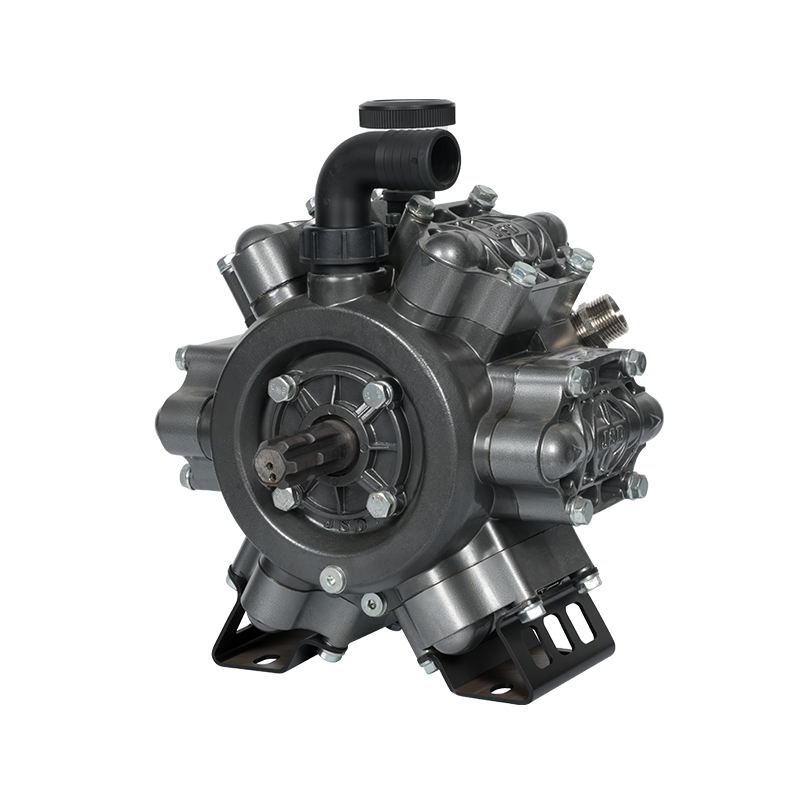
Applying pesticides effectively requires precision, consistent pressure, and chemical compatibility. A Diaphragm Pump For Pesticides is specifically designed for these requirements, allowing reliable spraying over large fields while handling a variety of agricultural chemicals. These pumps differ from standard centrifugal pumps due to their durable construction and operational flexibility.
Why Use a Diaphragm Pump For Pesticides
- Chemical Compatibility
Diaphragm pumps are built with materials such as polypropylene, EPDM, and PTFE, which resist corrosion from concentrated fertilizers, herbicides, and insecticides. This design helps prevent premature wear of diaphragms and seals, allowing the pump to operate reliably over long spraying cycles.
- Self-Priming and Consistent Pressure
The pump can draw liquid from tanks positioned below its inlet, simplifying setup. Its ability to maintain high pressure ensures uniform spray across multiple nozzles, producing consistent droplet size and distribution for good pesticide coverage.
- Dry-Run Tolerance
Temporary dry operation will not damage a diaphragm pump, unlike centrifugal pumps. This feature is useful during tank refills or if suction lines are momentarily blocked, reducing downtime and avoiding costly failures.
- Durability and Easy Maintenance
By isolating the hydraulic fluid from the pumped chemical, diaphragm pumps protect internal components from abrasion. While diaphragms and valves wear over time, they are easy to replace, enabling field maintenance without specialized equipment.
- Determining Flow Rate and Pressure
Proper pump sizing depends on nozzle output, boom width, and field speed. Flow rate is measured in gallons per minute (GPM) or liters per minute (L/min), while operating pressure typically ranges between 40 and 150 PSI. Selecting a pump slightly above calculated requirements compensates for wear and ensures continuous, consistent spraying.
Choosing the Right Diaphragm Material
The diaphragm is the primary wear component of the pump:
- EPDM (Ethylene Propylene Diene Monomer): Effective for herbicides and fertilizers, cost-friendly, and widely used.
- PTFE (Teflon): Handles stronger chemicals and solvents, offering higher chemical resistance at a higher initial cost.
Consulting a Diaphragm Pump For Pesticides Manufacturer helps choose the right diaphragm material for the chemicals used, ensuring longevity and reliability.
Environmental and Operational Factors
Field conditions affect pump performance:
- Temperature: Cold conditions increase fluid viscosity, reducing flow, while high temperatures can accelerate diaphragm wear.
- Terrain and Boom Design: Uneven fields or long booms create pressure fluctuations, requiring pumps capable of maintaining consistent output.
- Pump Positioning: Proper installation ensures effective self-priming and reduces stress on internal components.
Troubleshooting Common Issues
- High-Temperature Operation
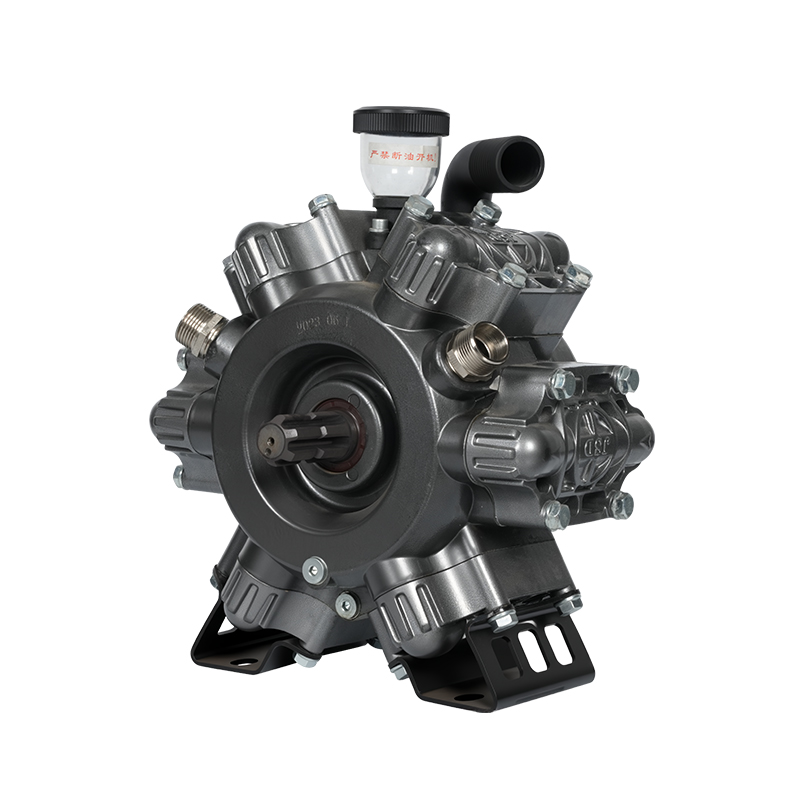
Excessive heat can damage diaphragms, seals, and hydraulic fluid. Inspect oil levels, relief valves, and internal wear components to identify the cause.
- Reduced Flow or Pressure
May result from clogged suction lines, filters, or worn valves. Regular inspection and early replacement of worn parts prevent extended downtime.
- Noises or Vibration
Indicates misalignment, bearing wear, or damaged valves. Early detection avoids serious damage and maintains spray quality.
Maintenance Practices for Long-Term Performance
- Regular Inspection: Check diaphragms, valves, and seals.
- Fluid Management: Maintain clean hydraulic fluid at proper levels.
- Pressure Monitoring: Avoid constant operation at the pump's rated maximum.
- Hose and Fitting Review: Ensure plumbing is straight, unobstructed, and correctly sized.
- Manufacturer Support: A Diaphragm Pump For Pesticides Manufacturer can provide parts, technical advice, and guidance on chemical compatibility.
Following these steps maintains pump efficiency, reduces downtime, and extends service life.
A Diaphragm Pump For Pesticides combines chemical resistance, dry-run tolerance, and consistent pressure delivery to support modern agricultural spraying. Selecting the right flow rate, diaphragm material, and maintenance routine ensures effective operation. Partnering with a trusted Diaphragm Pump For Pesticides Manufacturer enhances performance, reduces downtime, and supports reliable field operations.
 Previous