

 EN
EN  English
 中文简体
中文简体 русский
Across agriculture, gardening, and outdoor maintenance work, spraying equipment ends up playing a pretty central role in day-to-day tasks. Different environments call for different tools, obviously, and among all the options out there, the diaphragm backpack sprayer has picked up a fair bit of attention thanks to its practical design and flexible use.
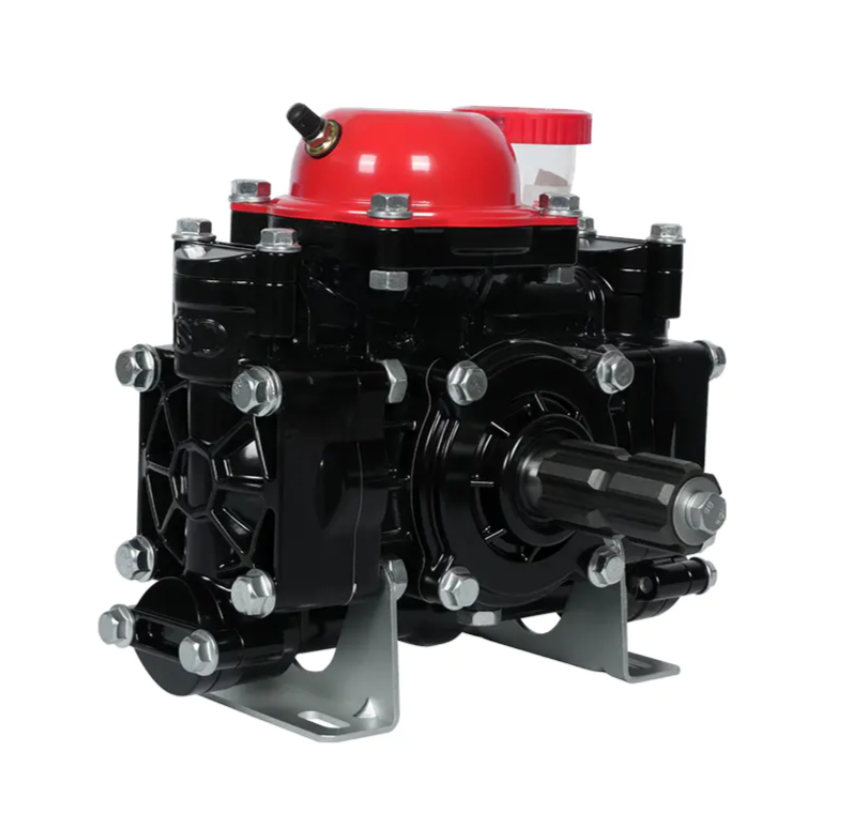
Unlike your basic hand sprayer, this kind of equipment is really built for tasks that demand more consistent spraying performance over time. It combines a backpack structure with a diaphragm-based pumping system, which lets users carry the whole unit around while moving across different work areas without much hassle.
From crop care all the way to general garden management, diaphragm backpack sprayers end up getting used in a lot of situations where controlled liquid application really matters. Getting a sense of how they actually work, and where they fit into different setups, can help buyers make a more informed call before they buy.
What Is a Diaphragm Backpack Sprayer?
A sprayer is a portable spraying device carried on the user's back. It uses a flexible diaphragm inside the pump system to move liquid from the tank to the spray nozzle.
The design is different from other spraying equipment because the pumping action depends on the movement of a diaphragm rather than direct contact between moving parts and the liquid.
A typical diaphragm backpack sprayer includes several main parts:
| Component | Function |
|---|---|
| Tank | Holds the liquid solution |
| Pump system | Moves liquid through the sprayer |
| Diaphragm | Creates pressure through flexible movement |
| Hose | Transfers liquid from the tank |
| Spray wand | Directs the liquid application |
| Nozzle | Controls spray direction and pattern |
Each part works together to create a complete spraying system. The backpack structure allows users to move freely, which makes it suitable for outdoor environments where mobility is important.
How Does a Diaphragm Backpack Sprayer Work?
The working process of a diaphragm backpack sprayer is based on repeated movement inside the pump.
When the user operates the sprayer, the diaphragm moves back and forth. This movement changes the space inside the pump chamber and helps move liquid through the system.
The basic process can be explained through several steps:
1. Liquid Enters the Pump Area
The solution stored in the tank flows into the pump chamber. The design allows the liquid to move in a controlled direction.
2. The Diaphragm Creates Movement
The flexible diaphragm changes position during operation. This action pushes the liquid forward and helps create the pressure needed for spraying.
3. Liquid Travels Through the Hose
After leaving the pump, the liquid moves through the connected hose toward the spray wand.
4. The Nozzle Releases the Spray
The nozzle controls how the liquid leaves the sprayer. Different nozzle designs can create different spray patterns depending on the application.
This process allows users to apply liquid over plants, surfaces, or outdoor areas in a more organized way.
Why Are Diaphragm Backpack Sprayers Used in Agriculture?
Agricultural work often means covering large outdoor areas while conditions keep changing around you. Workers really need equipment that can move with them and hold up across different spraying tasks throughout the day.
Diaphragm backpack sprayers end up getting used in agriculture for a handful of practical reasons:
- Easy movement between different areas of a field
- Well suited for uneven outdoor environments
- Flexible operation when it comes to targeted applications
- Useful for small and medium-scale spraying work in particular
Farmers tend to reach for them when it comes to crop care, plant protection, and general field maintenance more broadly.
The backpack design lets users carry the whole setup while walking through planting areas without much trouble. That ends up being pretty convenient in spots where larger machines just aren't practical to operate.
What Makes the Diaphragm Pump Different from Other Sprayer Pumps?
The pump is the main feature that separates diaphragm backpack sprayers from other types of spraying equipment.
Different pump structures create different working experiences. A diaphragm pump uses a flexible membrane to move liquid, which creates a different operation method compared with pumps that rely on direct mechanical movement.
Some differences include:
| Pump Type | General Characteristics |
|---|---|
| Diaphragm pump | Uses flexible movement to transfer liquid |
| Other pump designs | May use different internal movement methods |
The diaphragm design is often chosen for applications where users need a pump system that can handle various spraying tasks.
Another reason users pay attention to diaphragm pumps is their ability to work with different liquid solutions. However, users should always follow proper equipment guidance and choose suitable solutions for their specific application.
Where Are Diaphragm Backpack Sprayers Commonly Used?
The application range of diaphragm backpack sprayers extends beyond traditional farming.
Common usage areas include:
Agricultural Fields
Farmers use them for plant care and general crop management. Their portable structure allows movement across different sections of farmland.
Gardens and Landscaping
Garden workers may use backpack sprayers for maintaining plants, trees, and outdoor spaces.
Orchards
Orchard management often requires careful attention to individual plants. Portable spraying equipment can support targeted work.
Outdoor Maintenance
Some outdoor areas require regular treatment and care. Backpack sprayers provide a practical option for these tasks.
The common point across these applications is the need for mobility and controlled spraying.
What Should Users Consider Before Choosing a Diaphragm Backpack Sprayer?
Choosing spraying equipment requires attention to the working environment and personal needs. Different users may have different expectations.
Several factors can influence the decision:
1. Application Purpose
The intended use affects the type of sprayer needed. Agricultural work, garden care, and outdoor maintenance may require different approaches.
2. Comfort During Use
Since the equipment is carried on the back, comfort is an important consideration. A suitable design can reduce difficulty during longer working periods.
3. Maintenance Requirements
Regular care helps keep equipment working properly. Users should understand cleaning and storage practices before purchase.
4. Supplier Support
For business buyers, choosing a supplier with clear communication and product knowledge can make cooperation smoother.
A good selection process focuses on the actual working situation rather than choosing based only on appearance.
How Should a Diaphragm Backpack Sprayer Be Maintained?
Maintenance plays an important role in keeping spraying equipment in good working condition.
Simple care steps can help users avoid common problems:
Clean After Use
Remaining liquid inside the system may affect future operation. Cleaning the tank, hose, and spray parts helps maintain normal use.
Check Connections
Regular inspection of hoses and connections helps identify possible issues early.
Store Properly
Keeping the equipment in a suitable place protects it from unnecessary damage.
Follow Usage Guidance
Using the sprayer according to supplier instructions helps reduce avoidable problems.
Maintenance does not need to be complicated. Regular attention often makes daily operation easier.
How Are Diaphragm Backpack Sprayer Manufacturers Responding to Market Needs?
The market for spraying equipment keeps shifting as users look for solutions that are just more convenient and practical to work with day to day.
Manufacturers have been paying attention to a handful of areas that tend to matter most:
- Improving user comfort during extended use
- Developing designs that adapt across different setups
- Understanding how different application environments actually work
- Supporting a wider range of customer requirements
Modern users really aren't just looking for a spraying tool anymore, either. They care about ease of operation, how straightforward maintenance turns out to be, and whether the thing holds up for long-term usability.
For suppliers and manufacturers, getting a real read on actual working conditions has become pretty important along the way. Product development tends to stay closely tied to feedback coming in from farmers, gardeners, and professional users out in the field.
Why Does the Diaphragm Backpack Sprayer Remain Popular?
The continued interest in diaphragm backpack sprayers comes from their combination of portability and practical application.
They fit situations where users need to move around while applying liquids. They also provide an alternative for tasks where larger equipment may not be suitable.
The value of this type of sprayer is closely connected with everyday needs. Whether used in agricultural fields, gardens, or outdoor spaces, it provides a flexible way to manage spraying work.
As outdoor maintenance and agricultural activities continue to develop, diaphragm backpack sprayers remain a useful option for users who need portable spraying solutions.
 Previous