

 EN
EN  English
 中文简体
中文简体 русский
Spraying equipment is used in many agricultural and outdoor applications. Although a sprayer may look simple from the outside, several parts work together inside the system. The pump is one of them.
The pump moves liquid from the tank toward the spraying system. Its operation can affect how the liquid travels through the equipment and how the sprayer responds during use.
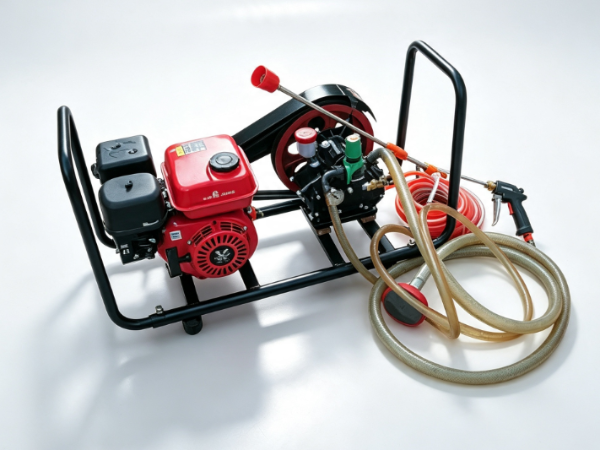
Two common pump types are the Piston Sprayer Pump and the Diaphragm Sprayer Pump.
They can serve similar purposes, but their internal working methods are different. A piston pump uses moving pistons to create the pumping action. A diaphragm pump uses a flexible diaphragm that moves back and forth to transfer liquid.
These differences can influence where each pump is used, how the equipment is designed, and what buyers consider when choosing a product.
The right question is not simply which pump is better. It is which pump matches the spraying equipment, liquid, working environment, and intended use.
How Do Piston Sprayer Pumps and Diaphragm Sprayer Pumps Work?
The noticeable difference between the two pump types is how they move liquid.
A Piston Sprayer Pump uses pistons that move inside the pump body. As the piston moves, it creates a change inside the pumping chamber. This allows liquid to enter and then move toward the outlet.
The pumping action is directly connected to the movement of the pistons.
A Diaphragm Sprayer Pump uses a flexible diaphragm instead. The diaphragm moves back and forth and changes the space inside the pumping chamber. This movement draws liquid into the chamber and then pushes it toward the outlet.
The two designs therefore use different moving parts to achieve a similar basic purpose.
| Pump Type | Main Moving Element | Basic Pumping Method | Common Design Consideration |
|---|---|---|---|
| Piston Sprayer Pump | Piston | Piston movement transfers liquid | Piston and chamber relationship |
| Diaphragm Sprayer Pump | Flexible diaphragm | Diaphragm movement transfers liquid | Diaphragm and fluid separation |
| Both | Internal moving parts | Draw and discharge liquid | Need to match the spraying system |
The difference becomes more important when the pump is placed inside a real sprayer. The liquid being handled, the equipment layout, operating conditions, and maintenance approach can all influence the selection.
Why Does the Pump Design Matter for Spraying Equipment?
A sprayer pump does more than move liquid.
It is connected to other parts of the equipment, including the tank, hoses, valves, and spray components. The way the pump operates can affect how these parts work together.
For agricultural equipment, the pump may need to support repeated spraying activities. The equipment may also be moved across fields, gardens, orchards, or other outdoor areas.
This means the pump needs to fit the overall machine rather than being considered as an independent product.
A Piston Sprayer Pump can be useful when the equipment design benefits from a piston-based pumping action. A Diaphragm Sprayer Pump may be considered when the application benefits from a diaphragm-based arrangement.
The selection can affect several areas:
- Pump installation.
- Connection with the spraying system.
- Liquid handling.
- Maintenance access.
- Equipment layout.
- Compatibility with the intended application.
A buyer should therefore look at the complete spraying system before deciding which pump type to use.
What Is the Main Difference in Liquid Handling?
Liquid handling is one of the important areas to consider.
A piston pump uses a piston that moves within a chamber. The piston has direct contact with the pumping area and participates in the movement that transfers the liquid.
A diaphragm pump uses a flexible membrane between the pumping mechanism and the liquid. The diaphragm moves to create the pumping action.
This creates a different relationship between the moving mechanism and the liquid.
The difference can matter when the spraying liquid has particular characteristics.
Agricultural spraying may involve different types of liquids. Some applications use relatively simple mixtures. Others may involve liquids that require more careful consideration of the materials that come into contact with them.
For this reason, buyers should not select a pump only by looking at the pump name.
The following questions can be useful:
- What type of liquid will be handled?
- Which parts of the pump will contact the liquid?
- What materials are used in those parts?
- How often will the equipment operate?
- Where will the sprayer be used?
- What type of maintenance is practical for the operator?
These questions can help connect the pump design with the actual working environment.
How Do Piston and Diaphragm Pumps Differ in Maintenance?
Maintenance is another area where the two designs can feel different to users.
A Piston Sprayer Pump contains moving piston components. These parts work repeatedly during operation. As a result, inspection may focus on the piston, seals, chambers, and related components.
A Diaphragm Sprayer Pump uses a flexible diaphragm as one of its important working parts. Maintenance may therefore involve checking the diaphragm and the components that support its movement.
Neither design should be viewed without considering the actual equipment.
A pump that is easy to access on one machine may be more difficult to inspect on another. The installation location, surrounding structure, hose arrangement, and protective parts can all influence maintenance work.
| Maintenance Area | Piston Sprayer Pump | Diaphragm Sprayer Pump |
|---|---|---|
| Main working part | Piston | Flexible diaphragm |
| Inspection focus | Piston, seals, and chamber | Diaphragm and related parts |
| Maintenance planning | Access to piston-related parts | Access to diaphragm-related parts |
| Installation influence | Pump location affects service access | Pump location affects service access |
| Buyer concern | Replacement and inspection arrangements | Diaphragm replacement and inspection |
For agricultural users, maintenance should also fit the way the equipment is used. A pump may operate regularly during spraying periods and remain unused for other periods. Storage and cleaning can therefore become part of the overall maintenance plan.
Where Are Piston Sprayer Pumps Commonly Used?
Piston Sprayer Pumps can be found in different types of spraying equipment.
They may be used in agricultural sprayers, crop spraying systems, orchard equipment, garden spraying machines, and other equipment that needs a piston-based pumping arrangement.
The application can vary depending on the machine design.
For example, a crop sprayer may need to move liquid from a storage tank into a spraying system. The pump becomes the connection between the stored liquid and the spray equipment.
In another application, a compact agricultural machine may have limited installation space. The pump needs to fit the available layout while still connecting with the rest of the equipment.
The following factors can influence the application:
| Application Factor | Why It Matters |
|---|---|
| Crop environment | Affects the type of spraying equipment used |
| Machine layout | Determines how the pump is installed |
| Liquid type | Influences material and compatibility considerations |
| Operating frequency | Affects maintenance planning |
| Equipment size | Influences how the pump fits into the system |
| Operator needs | Can affect access and service arrangements |
This is why the same Piston Sprayer Pump may be evaluated differently depending on the equipment where it will be installed.
When Is a Diaphragm Sprayer Pump Considered?
Diaphragm Sprayer Pumps are also used in agricultural and spraying equipment, but their diaphragm-based design gives them a different working arrangement.
One feature of this design is the separation between the pumping mechanism and the liquid. The diaphragm moves to transfer the liquid without requiring the same piston arrangement used in a piston pump.
This can be useful in applications where the pump needs to work with particular types of spraying liquids or operating conditions.
Diaphragm pumps can be considered for equipment such as agricultural sprayers, crop spraying systems, orchard sprayers, and other liquid handling machines.
However, the application still needs to be evaluated as a whole.
A diaphragm pump does not automatically fit every spraying machine. The equipment designer needs to consider the liquid, installation space, connection arrangement, operating process, and maintenance requirements.
This makes application information important during the purchasing stage.
A supplier may ask about the spraying equipment before recommending a suitable diaphragm pump. Providing clear information can help avoid a mismatch between the pump and the machine.
How Should Buyers Compare Piston Sprayer Pump and Diaphragm Sprayer Pump?
A direct comparison can be useful, but buyers should avoid treating one pump type as a universal choice.
The two designs have different working principles. Their suitability depends on the application.
A simple comparison can help buyers organize the decision:
| Selection Area | Piston Sprayer Pump | Diaphragm Sprayer Pump |
|---|---|---|
| Pumping element | Piston | Diaphragm |
| Contact with liquid | Related to piston chamber design | Diaphragm separates the mechanism from the liquid |
| Maintenance focus | Piston and related sealing parts | Diaphragm and related components |
| Equipment integration | Depends on machine structure | Depends on machine structure |
| Application | Agricultural and spraying equipment | Agricultural and spraying equipment |
| Material considerations | Important for liquid compatibility | Important for liquid compatibility |
| Supplier discussion | Application and pump design | Application and pump design |
The buyer can then consider which design fits the actual equipment.
A useful purchasing process can include several steps:
Application review
Describe the sprayer and the work it needs to perform.
Liquid review
Explain what type of liquid will pass through the pump.
Installation review
Check how the pump will connect with the tank, hoses, valves, and spray system.
Maintenance review
Consider which pump design fits the operator's inspection and service process.
Supplier communication
Share application information before asking for a final product recommendation.
This approach makes the comparison more practical.
How Can Manufacturers Help Buyers Select the Right Sprayer Pump?
For manufacturers and suppliers, product selection often starts with understanding the customer's equipment.
A buyer may ask for a Piston Sprayer Pump without providing enough information about the application. In that situation, it can be difficult to determine whether a piston design or another pump arrangement is appropriate.
A professional supplier discussion can cover the complete application.
The manufacturer may need to understand:
- What type of spraying machine is being used.
- What liquid the pump will handle.
- Where the pump will be installed.
- How the pump connects to the rest of the system.
- How frequently the equipment will operate.
- What maintenance conditions are available.
- Whether a standard or customized design is required.
For custom equipment, the manufacturer may also review drawings, product samples, or installation information.
This communication is useful because a pump is only one part of the spraying system.
The tank, pump, hoses, valves, spray components, and supporting structure all need to work together. A change in one part may affect the way the other parts are arranged.
For manufacturers, this also means production support is not limited to making the pump body. Material selection, component production, assembly, inspection, packaging, and customer communication can all become part of the supply process.
For buyers comparing a Piston Sprayer Pump Manufacturer with a Diaphragm Sprayer Pump Supplier, the practical question is how well the available pump design fits the actual equipment. Looking at the application, liquid, installation arrangement, maintenance needs, and supplier communication together can provide a clearer basis for product selection.
 Previous