

 EN
EN  English
 中文简体
中文简体 русский
In spraying work, the pump is rarely the center of attention. Most people focus on coverage, weather, and timing. The pump sits there, running in the background. It only becomes noticeable when something feels slightly off.
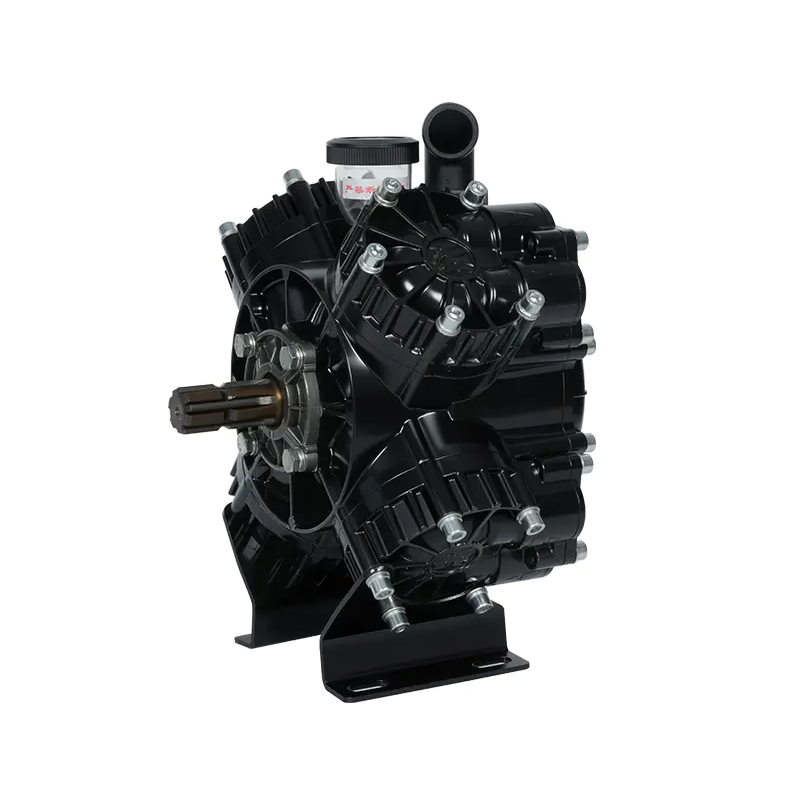
That moment usually comes without warning. Pressure drops a little. The spray pattern starts to drift. Nothing dramatic at first. Just enough to interrupt the flow of work.
A Diaphragm Pump For Pesticides does not demand complicated care. What it needs is regular attention in small amounts. Skipping that routine rarely causes immediate failure, but over time, the effects start to show.
Why Do Small Maintenance Steps Matter More Than Expected?
It is easy to assume that a pump will keep working as long as it starts and runs. In reality, performance changes gradually. These changes are not always obvious in the beginning.
Residue builds up quietly. Dust settles in places that are easy to ignore. Liquids used in spraying are not always clean or uniform. All of this interacts with the internal structure of the pump.
When maintenance is delayed, these small factors begin to overlap. The pump may still run, but it no longer feels as stable as before. Flow becomes less consistent. Adjustments are needed more often.
A short routine, done regularly, tends to prevent this slow decline. Not completely, but enough to keep the system within a workable range.
What Should Be Looked At Before Starting The Pump?
Before each use, a quick check often saves time later. It does not need to be detailed. In fact, more of it comes down to simple observation.
Some things are easy to notice right away:
- Connections that do not sit as firmly as they should
- Hoses that show early signs of wear
- Small traces of leftover liquid around fittings
- Parts that appear slightly out of position
None of these require deep inspection. A short visual scan is usually enough.
Many operators develop their own rhythm here. A quick walk around the equipment. A brief pause before switching it on. Over time, it becomes instinctive rather than something that needs to be remembered.
Why Is Cleaning Often The Step That Gets Ignored?
Cleaning is one of those tasks that feels optional at the end of a long day. When work is finished, the tendency is to move on rather than stay and rinse the system.
The problem is not immediate. Residue left inside the pump does not cause instant failure. It sits there. It dries. It slowly changes the internal condition of the system.
After a while, that buildup starts to affect movement inside the pump. Flow may feel slightly restricted. In some cases, the change is so gradual that it goes unnoticed until performance drops.
A simple rinse after use makes a difference. It does not need to be thorough to the point of perfection. The goal is just to remove of what remains before it settles.
| Routine Action | What It Helps Prevent |
|---|---|
| Light flushing | Residue buildup inside the pump |
| Surface wiping | External dirt accumulation |
| Checking outflow clarity | Hidden blockages |
| Allowing parts to dry | Moisture-related wear |
Which Components Tend To Wear First?
Not every part of the pump experiences the same level of stress. Some components move constantly. Others remain relatively stable.
The diaphragm is one of the more active elements. It moves with every cycle. Over time, that movement leads to gradual wear. It may not fail suddenly, but its behavior changes.
Valves and seals also play a quiet but important role. They control how liquid moves through the system. When they begin to wear, the effects show up as small leaks or reduced pressure stability.
Hoses are easier to overlook. They sit outside the main structure, yet they carry the entire flow. Even a small crack can affect how the system performs.
Paying attention to these areas does not take much time. Ignoring them, however, often leads to more noticeable issues later.
Is There A Fixed Schedule For Replacing Parts?
In practice, there is no universal schedule that fits every situation. Usage patterns vary. Some pumps run frequently, while others are used only occasionally.
Because of this, many operators rely on signs rather than dates. Changes in sound, slight vibration differences, or shifts in flow can all indicate that something is wearing out.
Visual inspection helps as well. A part that looks slightly worn today may still function, but it gives a hint of what is coming next.
Keeping spare components nearby is a common habit. It avoids delays when replacement becomes necessary. The work continues without needing to stop for sourcing parts.
What Early Signs Suggest That Maintenance Is Overdue?
The pump rarely fails without warning. More often, it sends small signals that are easy to miss.
Some of these signals include:
- Pressure that no longer stays steady
- Spray patterns that look uneven across short distances
- Sounds that feel unfamiliar, even if they are not loud
- Minor leaks that appear and disappear
- Slight increase in vibration
Individually, these may not seem serious. Together, they point to a system that needs attention.
Catching these signs early usually keeps maintenance simple. Waiting too long often makes the repair more involved.
Does Storage Make A Difference Even When The Pump Is Not In Use?
Storage conditions are often overlooked. Once the spraying period ends, the pump is set aside and expected to work the same way next time.
What happens during that downtime matters more than it seems.
If residue remains inside, it does not stay unchanged. It can dry and harden. This makes cleaning more difficult later and may affect internal movement.
Moisture in the environment also plays a role. Even when the pump is not running, exposure to damp conditions can affect its components.
A short preparation before storage helps avoid these issues. Cleaning the system, allowing it to dry, and keeping it in a stable environment are usually enough.
Some operators go a step further and reduce tension on certain parts. It is a small detail, but over long periods, it can help preserve the structure.
Can Routine Maintenance Be Handled Without Technical Training?
Most daily maintenance tasks are not complex. They rely more on attention than on specialized knowledge.
The design of a diaphragm pump makes this possible. Key areas are accessible. Checks can be done without dismantling the entire system.
This allows operators to manage upkeep as part of their routine. It does not require setting aside large amounts of time or relying on external support for every small issue.
Over time, these habits build familiarity. The pump becomes easier to understand. Small changes are noticed earlier. Maintenance becomes less of a task and more of a natural part of using the equipment.
 Previous