

 EN
EN  English
 中文简体
中文简体 русский
Modern agriculture relies heavily on precision spraying to protect crops and enhance yields. A Crop Spraying Diaphragm Pump plays a crucial role in delivering liquids consistently across fields while handling chemicals safely. Unlike basic pumps, diaphragm pumps are designed for demanding applications, offering durability, chemical resistance, and reliable performance in variable field conditions.
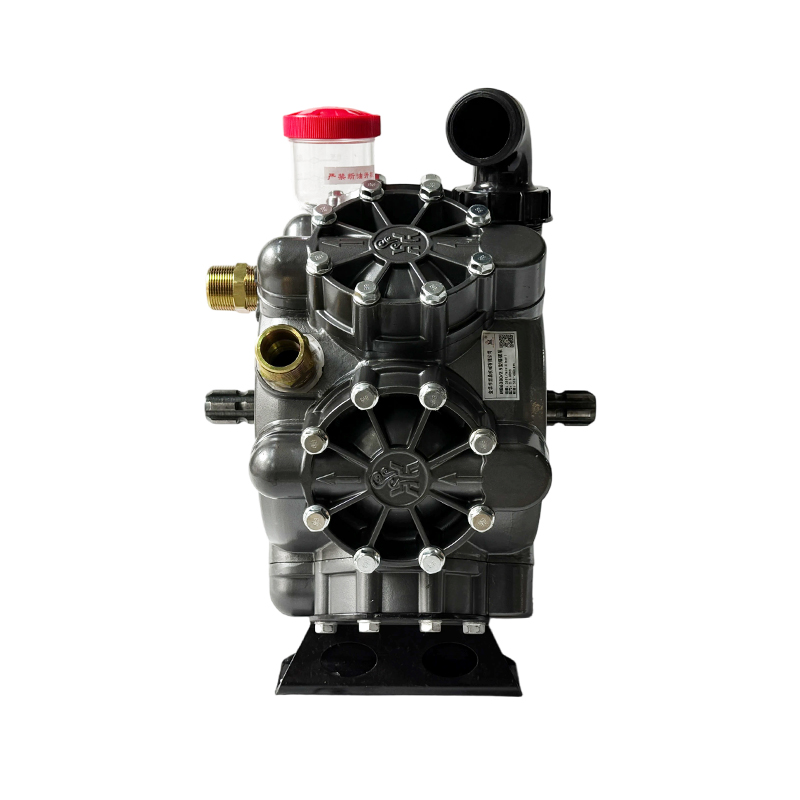
Why Diaphragm Pumps Are Essential in Agriculture
- Chemical Compatibility
Diaphragm pumps are engineered to withstand aggressive agricultural chemicals, including concentrated fertilizers, herbicides, and pesticides. Construction materials like polypropylene for the housing, combined with EPDM or PTFE diaphragms, resist corrosion and wear. This allows farmers and operators to spray a wide range of products without worrying about damaging the pump components.
- Ability to Run Dry Temporarily
In real-world field operations, temporary dry runs can occur during tank refills or when suction lines become blocked. Unlike centrifugal pumps, a diaphragm pump can survive short periods without liquid, preventing immediate failures and reducing operational interruptions.
- Self-Priming Capability and High Pressure
These pumps can self-prime, drawing liquid from tanks located below the pump. They also generate the pressure necessary for multiple nozzle operation, producing uniform droplet size and coverage across the boom. This ensures crops receive even application, which is essential for achieving consistent results.
- Durability and Simple Maintenance
By isolating the hydraulic system from the pumped liquid, diaphragm pumps reduce abrasion and corrosion of internal components. While diaphragms and valves are wear items, they are relatively easy to replace, allowing operators to maintain the pump without specialized tools. This design supports cost-effective long-term operation.
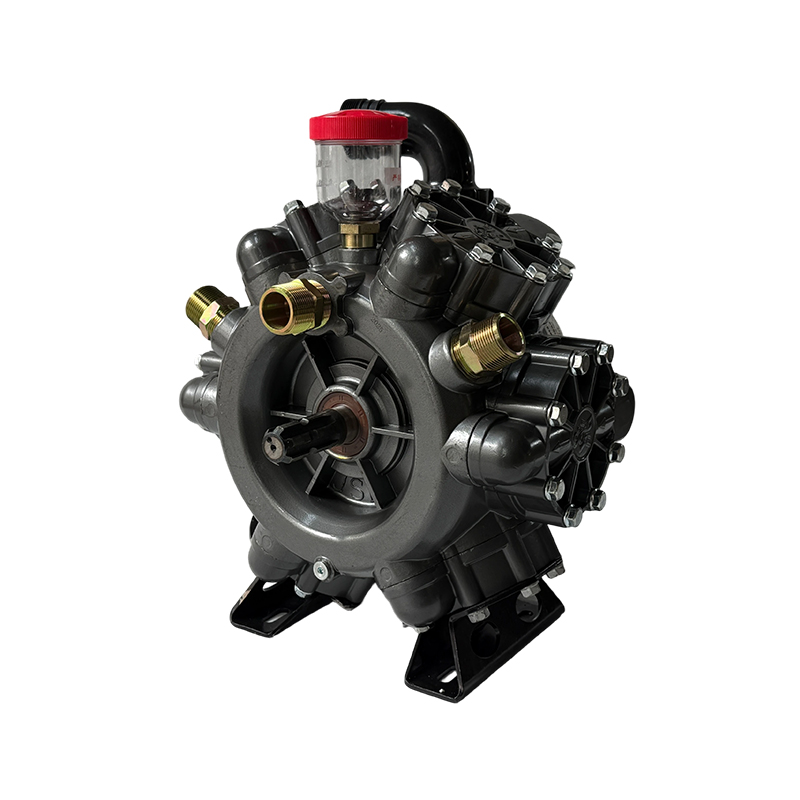
Selecting the Right Pump Flow Rate and Pressure
Determining the appropriate flow rate and pressure is crucial for good spraying performance.
- Flow Rate: Calculated based on boom width, travel speed, and total nozzle output (GPM or L/min). The pump should slightly exceed the required flow to compensate for wear over time.
- Pressure: sprayers operate between 40 and 150 PSI. Maintaining consistent pressure ensures even spray distribution and avoids over- or under-application.
Proper sizing reduces stress on the pump, increases chemical efficiency, and minimizes downtime.
Choosing Diaphragm Materials for Longevity
The diaphragm is the core wear component in the pump.
- EPDM (Ethylene Propylene Diene Monomer): Suitable for common fertilizers and herbicides, offering cost-effective resistance.
- PTFE (Teflon): Resistant to aggressive chemicals, including some acids and solvents, with a higher upfront cost but extended lifespan.
Selecting the right diaphragm depends on the chemical profile and operational intensity. Consulting a crop-spraying diaphragm Pump Manufacturer can guide the choice based on your application requirements.
Environmental and Operational Considerations
Field conditions impact pump performance:
- Temperature: Cold weather can increase fluid viscosity, reducing flow, while high temperatures may accelerate diaphragm wear.
- Terrain and Boom Design: Uneven fields or long booms create pressure fluctuations, requiring pumps capable of compensating for resistance variations.
- Pump Placement: Proper tank and pump positioning ensure good self-priming and reduce unnecessary strain on the pump.
A Crop Spraying Diaphragm Pump offers durability, chemical resistance, and consistent performance for modern agricultural spraying. Selecting the right flow rate, diaphragm material, and maintenance plan ensures efficient operation. Environmental conditions, proper usage, and collaboration with a trusted Crop Spraying Diaphragm Pump Manufacturer all contribute to extended pump life, reduced downtime, and improved crop application outcomes.
 Previous