

 EN
EN  English
 中文简体
中文简体 русский
Crop protection spraying is not only about moving liquid from a tank to a nozzle. In real field work, operators deal with chemical corrosion, unstable pressure, downtime during peak seasons, and limited time for maintenance. These challenges explain why the Crop Spraying Diaphragm Pump has become a common solution in agricultural machinery. Its structure fits well with pesticide and fertilizer application, where stability and chemical resistance matter more than speed alone.
From a factory perspective, pump selection often goes wrong when users focus only on flow numbers and overlook how the pump behaves during daily operation. Spraying systems rarely work in ideal conditions, and that gap between theory and practice is where diaphragm pumps show their value.
Why Diaphragm Pumps Are Used for Pesticides
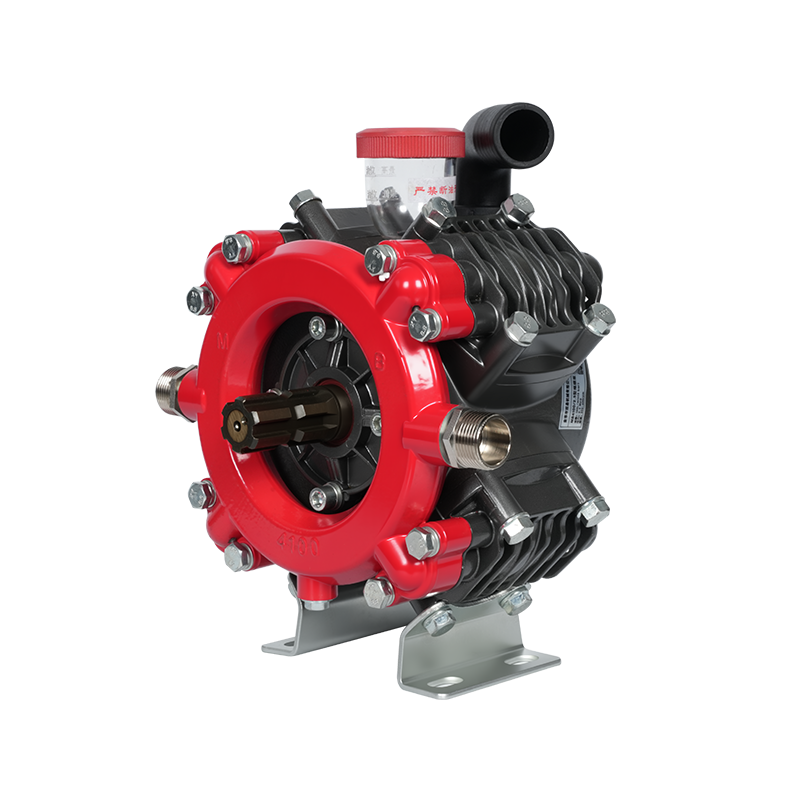
A Crop Spraying Diaphragm Pump is designed to separate the hydraulic side from the chemical side. This isolation limits direct contact between moving metal parts and aggressive liquids. Materials such as polypropylene housings and EPDM or PTFE diaphragms resist many common agrochemicals, reducing internal damage during long spraying cycles.
Another reason for their use is dry-running tolerance for short periods. During tank changes or suction interruptions, the pump does not fail instantly. This characteristic supports real field scenarios where conditions are not always controlled.
Self-Priming and Pressure Stability
Sprayers often place tanks lower than the pump inlet. A self-priming Crop Spraying Diaphragm Pump can draw liquid upward without manual filling, simplifying setup. This feature is especially helpful on mobile equipment where quick deployment matters.
Pressure consistency is another concern. Multiple nozzles across a wide boom require steady pressure to maintaina uniform droplet size. Diaphragm pumps can operate within common agricultural pressure ranges, usually between 40 and 150 PSI, while keeping output stable across the system.
Selecting the Right Flow Rate
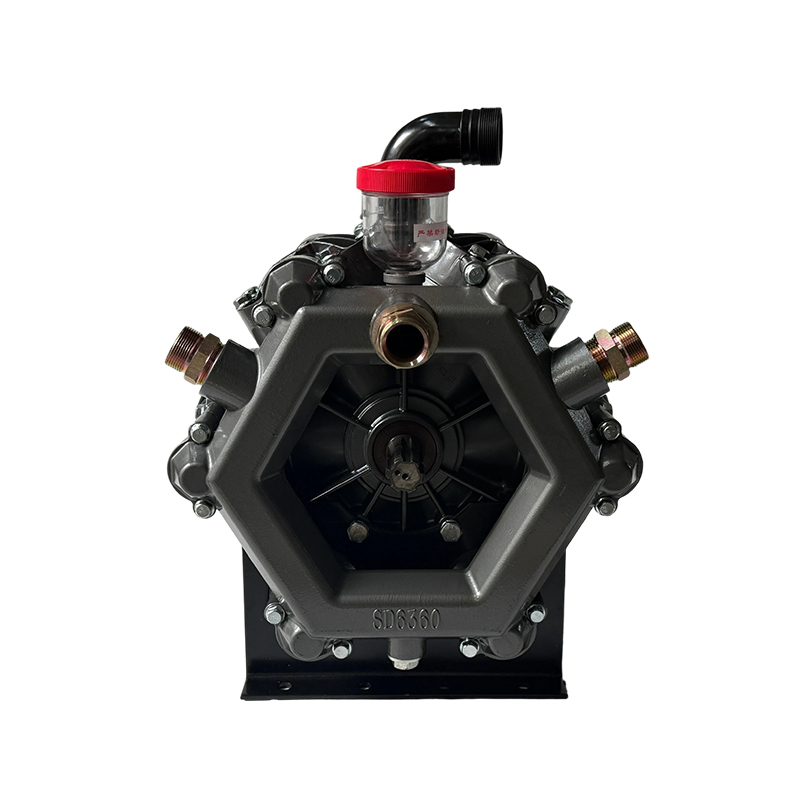
Flow rate is driven by boom width, travel speed, and application volume per area. Calculating total nozzle output gives a clear baseline. The pump must supply that flow while holding working pressure.
From manufacturing experience, selecting a pump slightly above calculated demand supports long-term operation as internal components wear over time. This approach keeps performance consistent without forcing the pump to operate near its rated limit during every spraying task.
Chemical Compatibility and Material Choices
Chemical compatibility is a frequent pain point. Using incompatible materials often results in swollen diaphragms or leaking seals after only one season. A Crop Spraying Diaphragm Pump typically offers options such as EPDM diaphragms for standard herbicides and fertilizers, while PTFE diaphragms suit more aggressive formulations.
Housing materials and valve components also matter. Polypropylene handles many agricultural liquids, while stainless steel is used where abrasion or temperature variation is higher. Reviewing chemical resistance charts from the Crop Spraying Diaphragm Pump Manufacturer helps match materials with actual field chemicals.
The Crop Spraying Diaphragm Pump fits modern spraying demands by balancing pressure stability, chemical resistance, and manageable maintenance. Its design reflects how spraying actually happens rather than ideal lab conditions. Working with a knowledgeable Crop Spraying Diaphragm Pump Manufacturer helps align pump structure, materials, and performance with daily agricultural use, supporting consistent spraying results across seasons.
 Previous