

 EN
EN  English
 中文简体
中文简体 русский
Diaphragm pumps for pesticides are widely recognised in agriculture and industry for their reliability and adaptability. Designed based on great international technology, these pumps are capable of handling a range of chemicals with stable discharge pressure, high flow rates, and efficient operation. They are suitable for applications in paddy and dry fields, orchards, forests, urban gardens, and even small-scale irrigation projects. Beyond agriculture, they can also be used in industrial processes like disinfection, chemical infusion, vehicle cleaning, and environmental protection.
1. Selecting the Right Pump for Your Operation
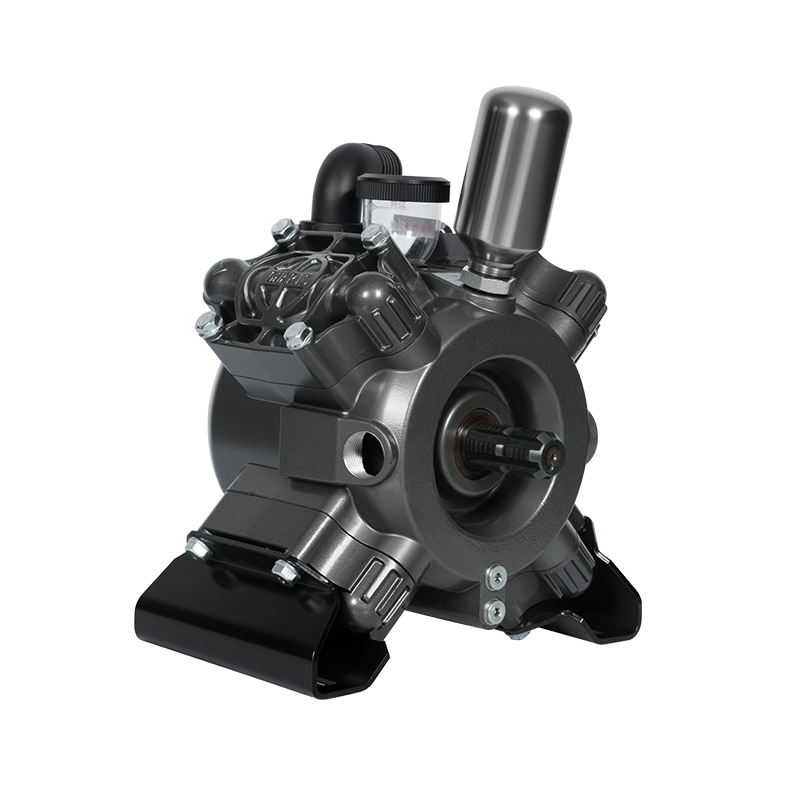
Choosing a diaphragm pump for pesticides starts with understanding the specific application requirements. Key factors include the chemical type, system pressure, and the total flow rate needed for effective spraying. Agricultural spraying systems require pressures between 40 and 150 PSI to ensure uniform coverage across multiple nozzles. Matching the pump with available power sources—such as electric motors, diesel engines, gasoline engines, tractors, or vehicles—is essential for flexible operation. Partnering with experienced diaphragm pump manufacturers for pesticides can help users select pumps that align with operational needs and reduce the risk of performance issues.
2. Chemical Compatibility and Material Selection
Chemical resistance is critical to maintaining pump longevity. Diaphragm pumps for pesticides are usually constructed from materials such as polypropylene, EPDM, or PTFE. EPDM diaphragms are cost-effective and suitable for herbicides and fertilisers, while PTFE provides higher resistance for stronger chemicals, including solvents and acidic solutions. Housing and valve materials also play a significant role. Users should always verify chemical compatibility with manufacturer-provided charts to prevent premature diaphragm or seal wear. Choosing the right material can significantly reduce downtime and maintenance costs.
3. Maintenance and Operational Benefits
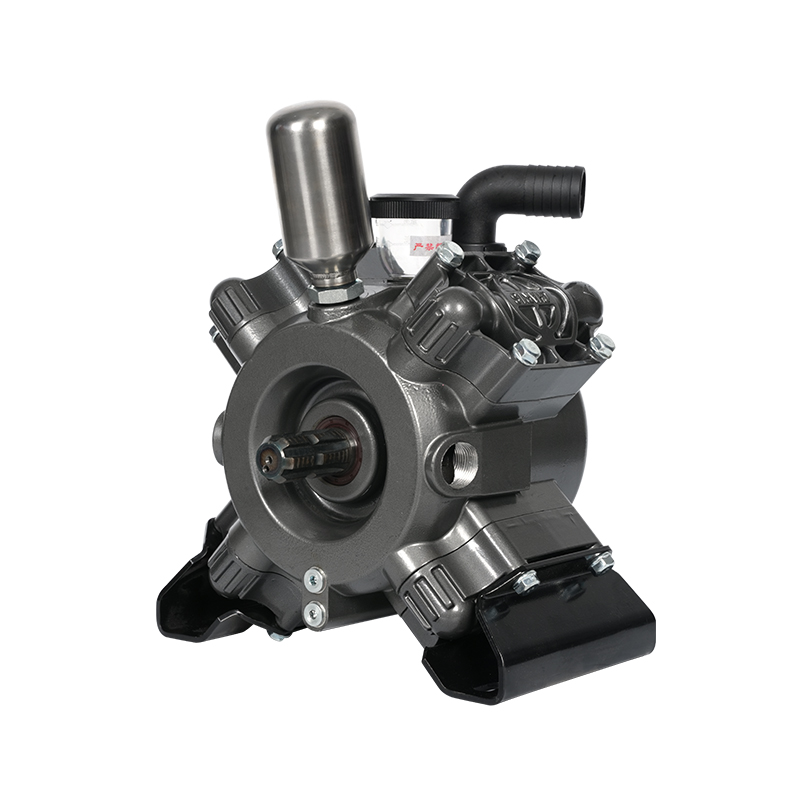
A notable advantage of diaphragm pumps is their tolerance for brief dry running. Unlike centrifugal pumps, which can be damaged quickly without fluid, diaphragm pumps continue operating safely during tank refills or minor suction interruptions. Routine maintenance is straightforward: diaphragms, valves, and seals are accessible wear components that can be replaced in the field. Self-priming functionality simplifies setup, while the pump's compact and rational design allows easy inspection and servicing. These operational benefits make diaphragm pumps for pesticides an efficient choice for both small and large-scale spraying operations.
4. Troubleshooting and Performance Optimisation
High temperatures or inconsistent flow often indicate underlying issues. Users should inspect hydraulic fluid levels, oil condition, and valve operation. Internal wear components, such as diaphragms or piston seals, can reduce efficiency and increase heat if worn. Flow restrictions from clogged suction lines, narrow hoses, or improperly designed plumbing can also increase pump workload. Diaphragm pumps for pesticide manufacturers typically provide technical guidance and replacement parts to simplify troubleshooting and maintain consistent performance in the field.
In summary, diaphragm pumps for pesticides combine chemical resistance, stable performance, and easy maintenance, making them a reliable choice for both agricultural and industrial users. Proper selection of diaphragm material, attention to chemical compatibility, and regular maintenance are key to extending pump life and ensuring efficient operation. Working with reputable diaphragm pumps for pesticide manufacturers ensures access to technical support, quality components, and guidance for long-term performance.
 Previous