

 EN
EN  English
 中文简体
中文简体 русский
Crop Spraying Diaphragm Pumps have become essential tools for modern agriculture and industrial spraying due to their reliability, adaptability, and efficiency. Developed with great international technology, these pumps offer high operating pressure, stable discharge, corrosion resistance, and compact, easy-to-maintain structures. Their design allows for wide application in pest control, fertilisation, irrigation, and industrial disinfection, making them versatile equipment for both agricultural and industrial users.
1. Efficient Chemical Application and Versatility

Crop Spraying Diaphragm Pumps provide consistent spray patterns, which ensure that herbicides, pesticides, and liquid fertilisers are evenly applied. This consistency reduces chemical waste and prevents uneven treatment, which is crucial for crop health and yield.
The self-priming feature allows the pump to draw liquid from tanks located below the pump inlet, simplifying setup and operation.
High-pressure capability ensures that multiple nozzles operate efficiently without pressure drops, maintaining droplet size and coverage.
These pumps can integrate with electric motors, diesel or gasoline engines, tractors, and vehicles, making them adaptable for paddy fields, orchards, forests, urban gardens, and small-scale irrigation or chemical infusion applications.
2. Durability and Maintenance
One of the main concerns for operators is downtime due to pump maintenance. Crop Spraying Diaphragm Pumps are designed with easy-to-replace diaphragms and valves, reducing field maintenance time. Regular inspection and timely replacement of these components help maintain efficiency and extend the pump's service life.
Crop Spraying Diaphragm Pump Manufacturers often provide spare parts and detailed maintenance instructions, supporting operators in managing costs effectively.
The separation of hydraulic fluid from the chemical solution minimises internal wear and protects critical components, allowing the pump to operate under demanding conditions without frequent failures.
3. Chemical Compatibility and Material Selection
Chemical compatibility is critical to ensure long-term pump performance. These pumps are made from materials such as EPDM, PTFE, and polypropylene, which resist a wide range of agricultural chemicals.
EPDM diaphragms suit herbicides and fertilisers, providing cost-effective and durable operation.
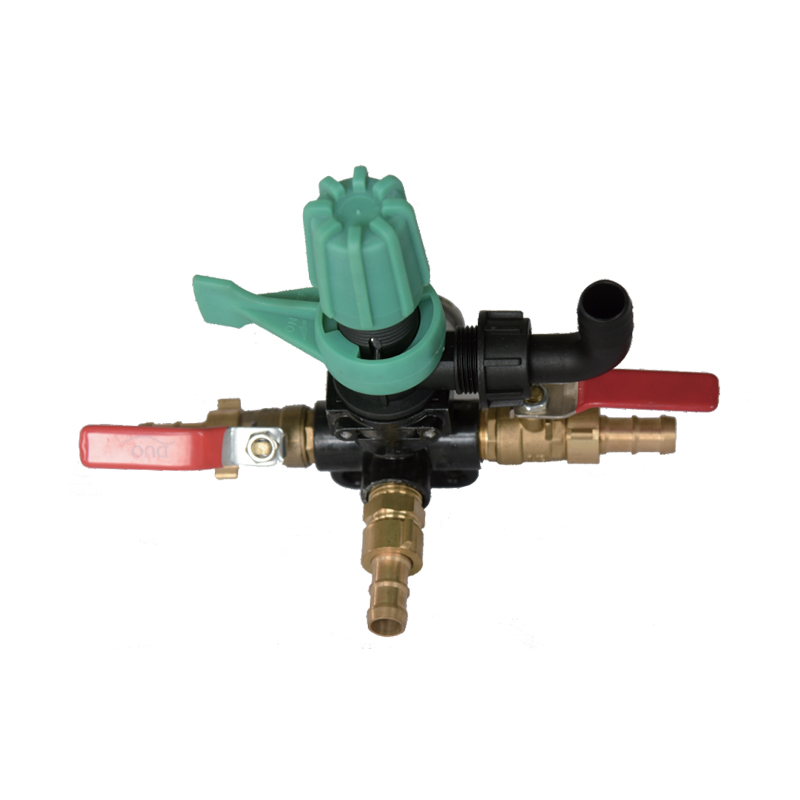
PTFE diaphragms handle more aggressive chemicals, such as strong acids or certain solvents, offering extended lifespan under demanding conditions.
Selecting the appropriate materials based on your chemical applications prevents premature wear, diaphragm failure, and potential downtime, ensuring continuous operation in the field.
4. Flow Rate, Pressure, and Troubleshooting
Choosing the correct pump involves calculating the total nozzle output based on boom width, travel speed, and desired application volume. Crop Spraying Diaphragm Pumps can operate at pressures ranging from 40 to 150 PSI, maintaining consistent spray performance.
Troubleshooting issues such as overheating, noise, or reduced output involves checking hydraulic fluid levels, inspecting diaphragms and seals, and evaluating suction and discharge plumbing for blockages.
Proper maintenance and early problem detection prevent costly repairs and downtime, while guidance from Crop Spraying Diaphragm Pump Manufacturers ensures operators can address common issues efficiently.
Crop Spraying Diaphragm Pump Manufacturers focus on producing equipment that balances high performance, chemical resistance, and ease of operation. Their technical support, combined with well-designed pump structures, helps operators maintain efficiency and longevity. Whether for large-scale agricultural spraying, orchard pest control, or industrial disinfection, these pumps remain versatile tools for reliable liquid handling.
 Previous