

 EN
EN  English
 中文简体
中文简体 русский
A Sprayer Diaphragm Pump is a key component in modern garden and agricultural spraying equipment. Unlike manual sprayers that rely on the operator to generate pressure, a diaphragm pump delivers consistent pressure automatically. This ensures even distribution of liquids across gardens, orchards, or medium to large fields. For operators managing large areas, this consistency is critical to maintaining crop health and reducing chemical waste.
Efficiency is one of the common concerns for users. A diaphragm pump allows the operator to spray larger areas in less time because it maintains a constant pressure. Unlike manual sprayers that require frequent pumping, diaphragm pumps provide continuous flow, which is particularly helpful for tall trees or large plantations. By maintaining steady output, the sprayer reduces uneven coverage, which can result in missed spots or over-application.
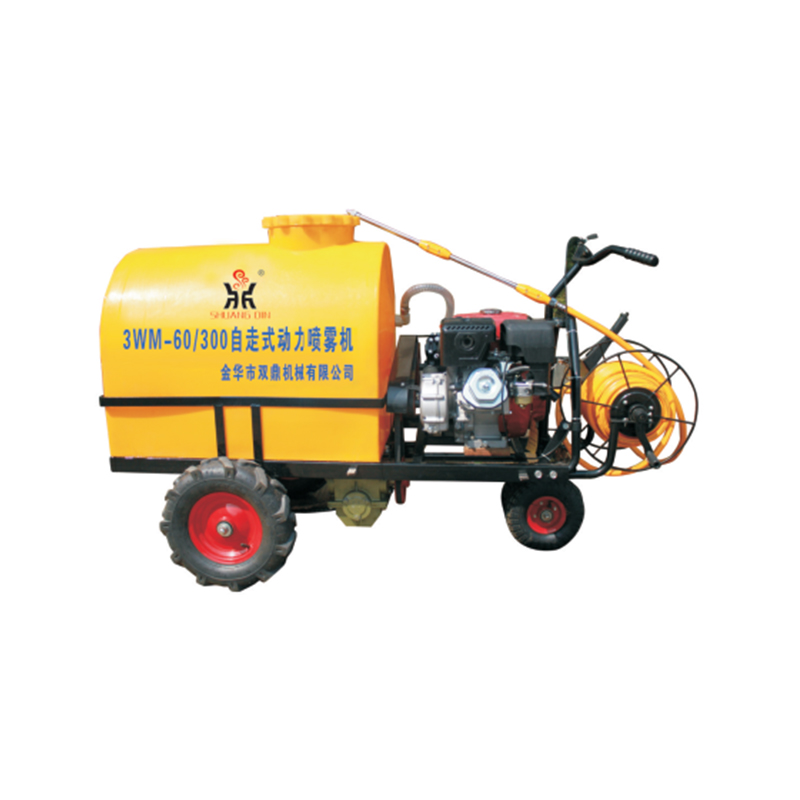
Maintenance is crucial for longevity. Regular inspections of the diaphragm, valves, and seals prevent leaks and reduce pressure fluctuations. Cleaning the pump after each use, especially when spraying fertilizers or pesticides, prevents residue buildup. Many Sprayer Diaphragm Pump Manufacturers recommend replacing worn diaphragms and checking the inlet and outlet filters to maintain good performance. Following these simple steps can extend the pump's service life and reduce downtime.
Different applications require different pressure settings. Reputable Sprayer Diaphragm Pump Manufacturers often design pumps with adjustable pressure controls to meet specific spraying needs. For instance, orchard spraying might require high pressure to reach the top of tall trees, while garden misting requires lower, finer pressure. Understanding these requirements helps operators select the right pump and nozzle combination for their intended use.
Diaphragm pumps have several advantages compared to piston or manual pumps. They generate smoother flow with minimal pulsation, improving spray consistency. They are also easier to maintain because fewer moving parts are exposed to chemical liquids, reducing wear. Additionally, diaphragm pumps can handle abrasive or viscous liquids better than other pump types, making them versatile for various agricultural applications.
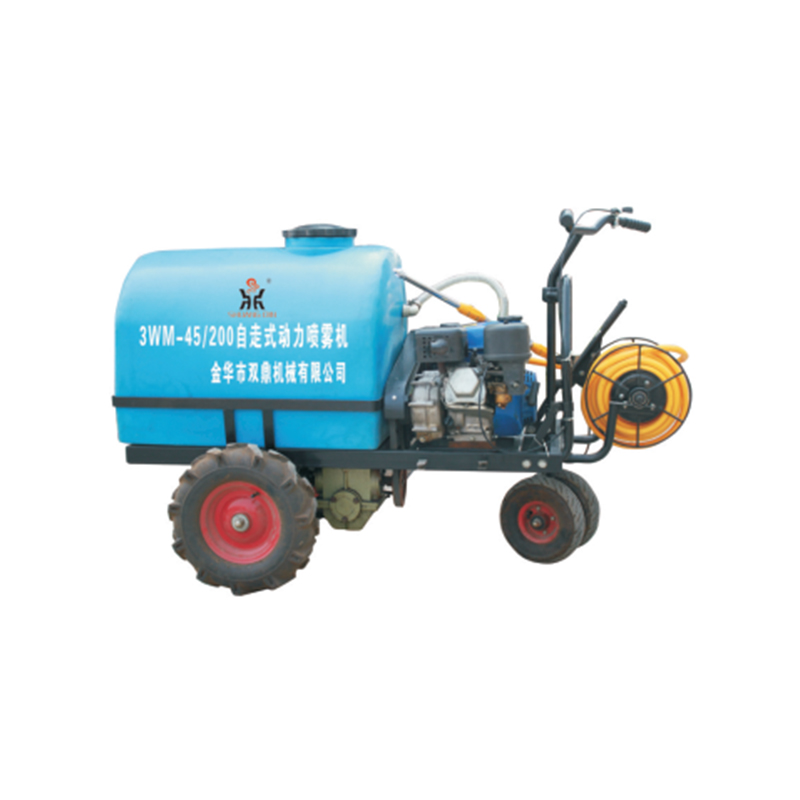
In large orchards or plantations, spray lines often need to cover long distances. Diaphragm pumps are capable of maintaining adequate pressure over extended hoses without losing flow rate. This feature allows operators to use multiple spray guns simultaneously or reach areas that would otherwise require repositioning the sprayer multiple times. It also reduces labor and increases overall efficiency.
Operators may encounter common issues such as air leaks, pressure drops, or uneven spray patterns. Air leaks often occur from loose fittings or worn diaphragms and can be resolved by tightening connections or replacing components. Pressure drops can be caused by clogged filters, which can be easily cleaned. Regular maintenance and inspection, as advised by Sprayer Diaphragm Pump Manufacturers, prevent operational issues before they affect spraying tasks.
The pump type directly affects performance characteristics like flow rate, pressure, and durability. Diaphragm pumps are ideal for medium to large applications because they balance pressure consistency with chemical resistance. Piston pumps may offer higher pressures but require more maintenance and are less tolerant to abrasive liquids. Understanding the differences allows operators to match the pump type to their specific requirements.
 Previous